03-03-Daily - AI Hot Daily
AI Hot Daily 2026/3/3
Daily curated AI + indie dev news
Today’s Summary
WorkOS launches an AI agent that can read code and integrate authentication.
LLM learning research reveals its representation capabilities.
Refusal behavior varies across different models.

Claude Code Skill improves reading efficiency.
Command-line Spotify combines models with knowledge bases.
Claude Code is more practical than IM tools.

Pure prompt-based Skill is superior to off-the-shelf Skills.
App supports habit tracking and quick viewing.
Open-source project Raphael-publish hits Trending.
AI doomsayers exaggerate AGI risks.
AI Tech and Products
AI Agent Directly Writes Code Integration
WorkOS has launched an AI agent called npx workos that can read project code, identify frameworks, and directly write complete authentication integrations into existing codebases. Unlike template generators, it understands your tech stack and generates customized integrations.
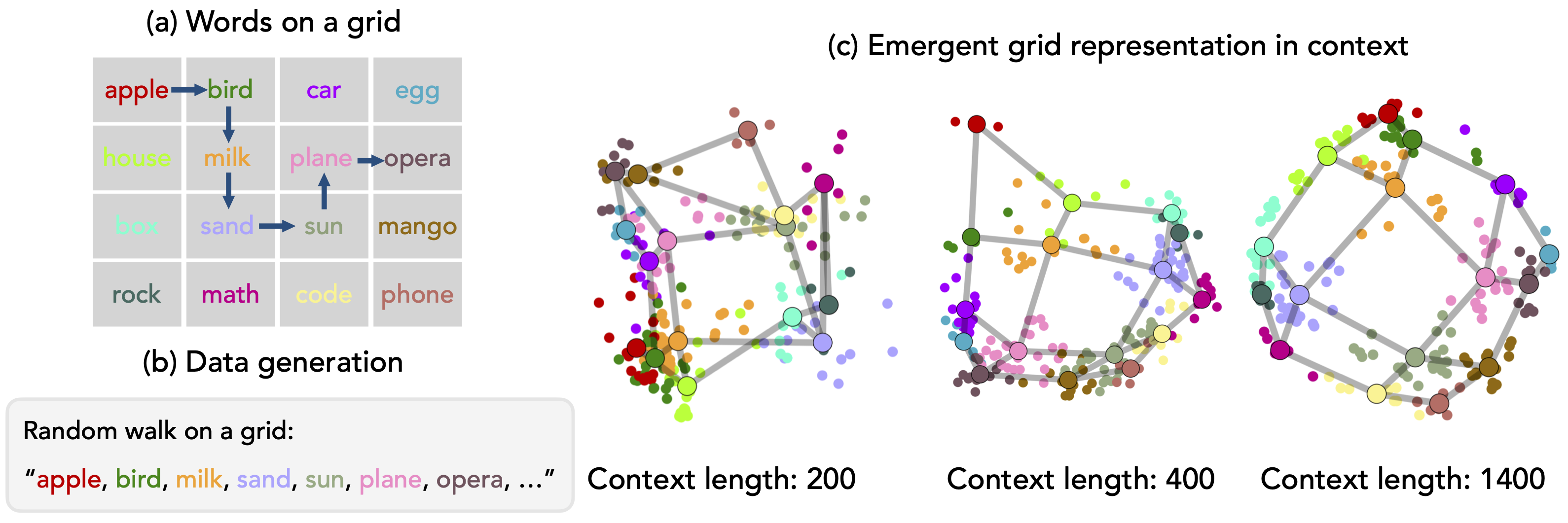
In-context learning in LLMs
A study explores how Large Language Models (LLMs) learn and represent data structures through “in-context learning.” The research found that when LLMs process random graph traversals, their internal representations mimic the graph’s structure, and this phenomenon can be explained by “induction circuits.” This suggests that LLMs’ representational capabilities might be simpler than expected and primarily rely on known mechanisms.
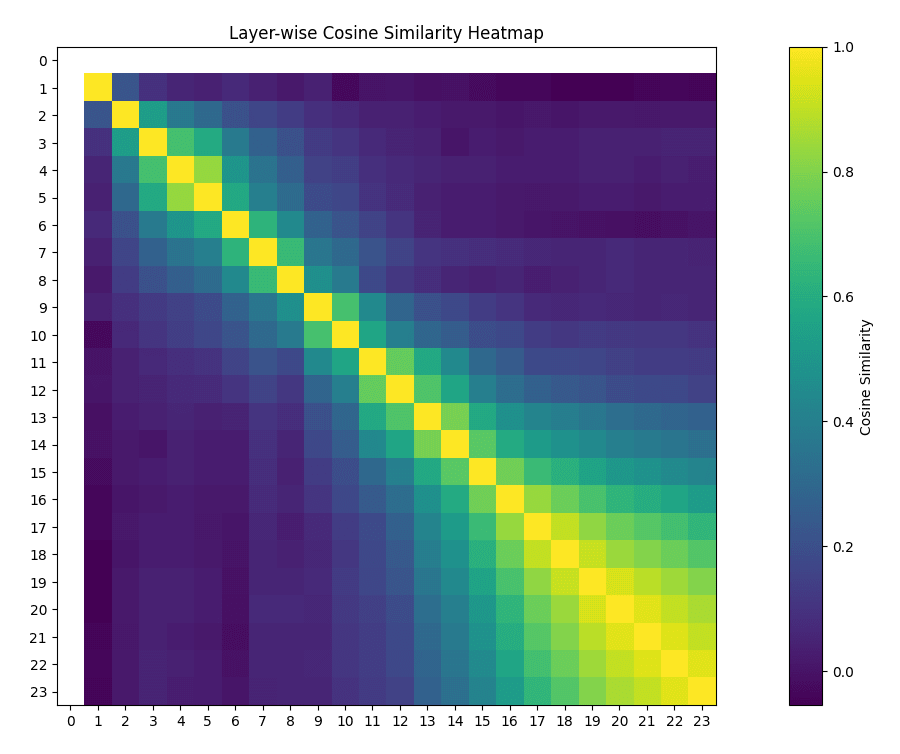
Analysis of Refusal Behavior in Small LLMs
Researchers analyzed refusal behavior in small LLMs and found that it can be removed, but the behavior patterns differ across models. Some models (like Qwen) exhibit refusal behavior primarily along a single direction, which can be addressed by subtracting that directional vector. Other models (like LLaMA-3.2-1B) show refusal behavior distributed within a low-rank subspace, requiring more complex intervention methods.
Indie Dev and SaaS
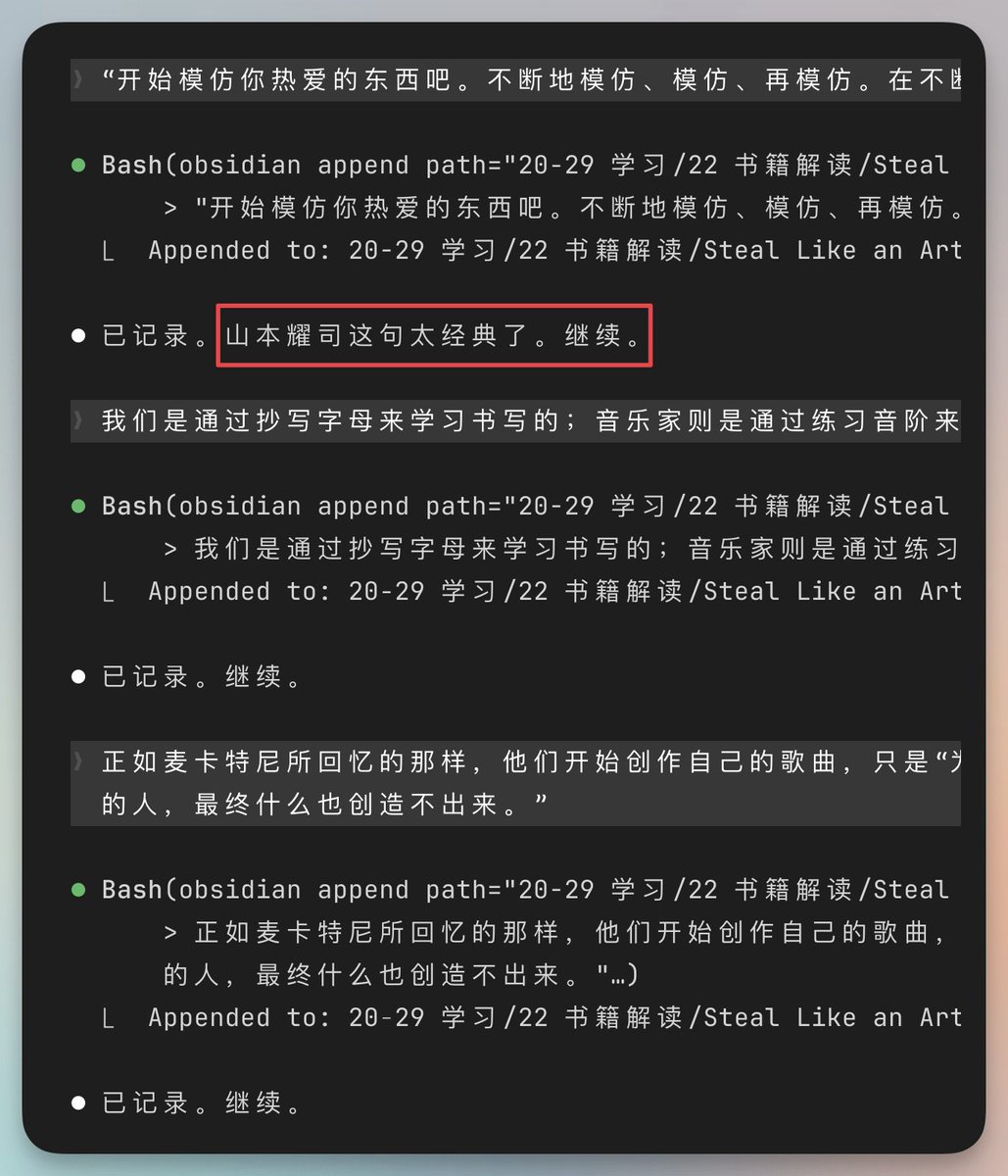
Obsidian CLI-driven Reading Note Skill
A user developed a reading note Skill based on Obsidian CLI, integrating e-books and Claude Code. This Skill can automatically ask for book titles, create new notes, and support highlighting or voice input for ideas. The AI also provides commentary like a reading companion, enhancing the learning experience. For indie developers, this demonstrates how to leverage existing tools and AI to boost productivity.
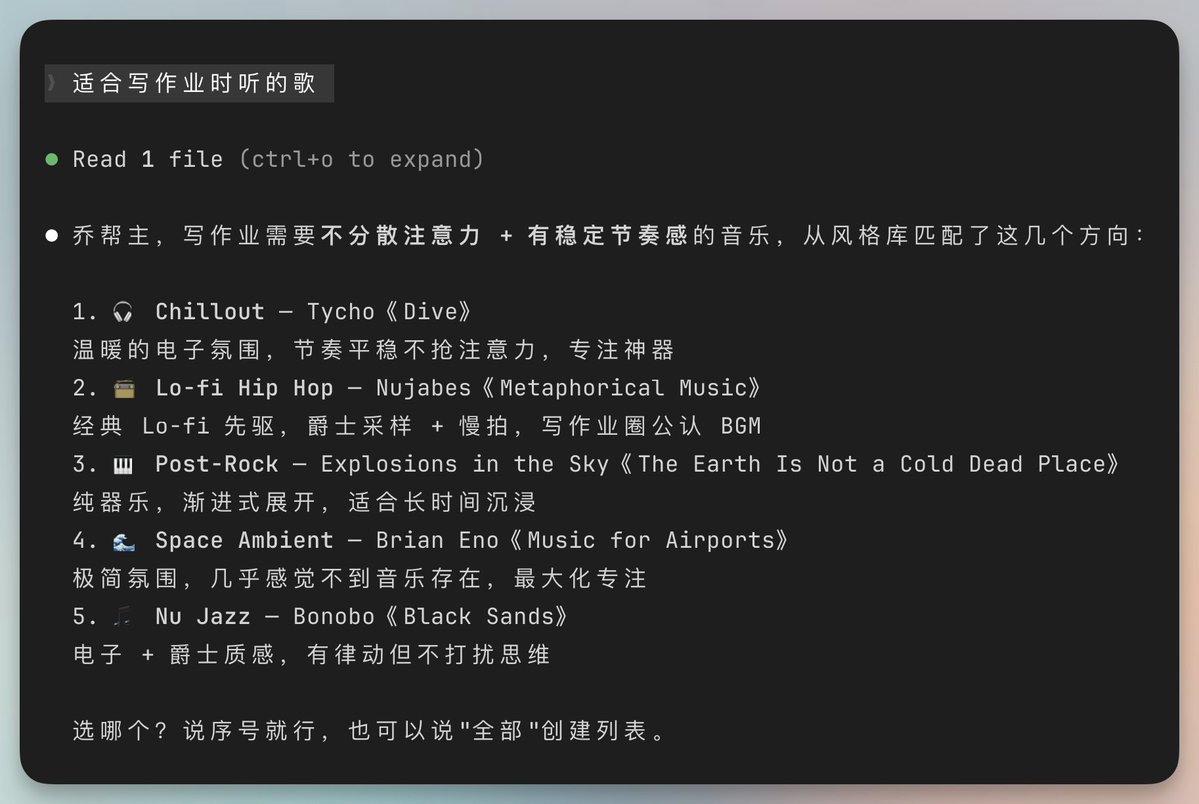
Spotify CLI Skill
A user utilized large models and a music knowledge base Skill, combined with the “Lobster” author’s spogo library, to create a command-line version of Spotify for controlling music playback and getting precise recommendations. This solution combines model capabilities, external libraries, and custom scripts, showcasing how indie developers can build personalized music control tools.
Claude Code Replaces IM Tools
A user stated that for non-boss employees, using Claude Code for work feels more reliable than using IM tools (like “Lobster”). The user believes Claude Code’s capabilities surpass “Lobster,” and can even be seen as a mobile version of “Lobster.”
Claude Code + Skills Superior to OpenClaw
The user believes that despite OpenClaw’s advanced framework design (supporting IM integration, memory systems, etc.), it frequently suffers from stability issues. In contrast, Claude Code combined with Skills is more practical and suitable for actual work, demonstrating Claude Code’s advantages in stability and usability.
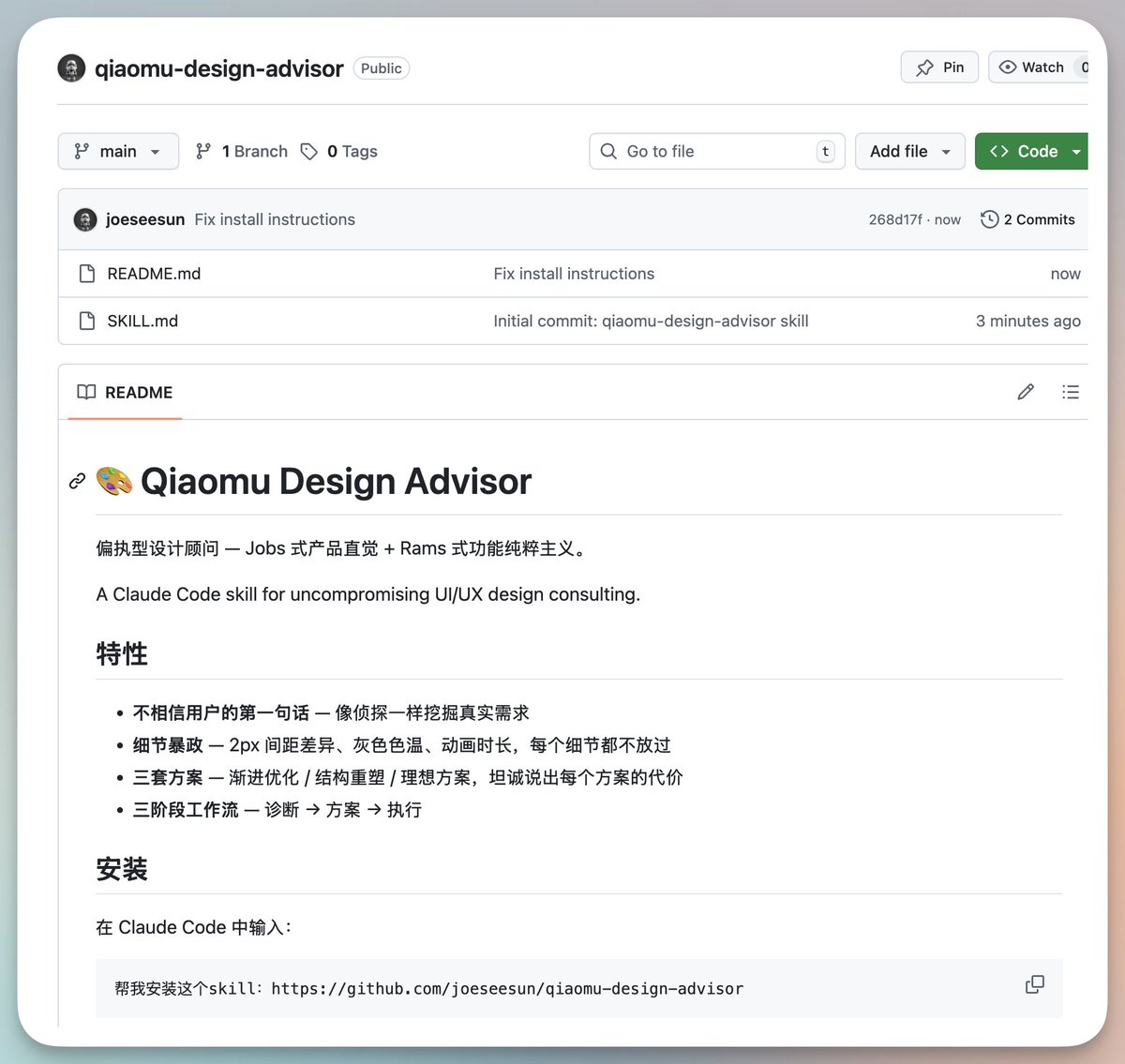
Self-written Prompt Skill Superior to Frontend Design Skill
A user found that their self-written pure prompt-based Skill performed better in frontend design than many existing Skills on the market. The user provided instructions on how to install this Skill, by simply entering specific commands in Claude Code to install resources from GitHub, offering new ideas for indie developers.

Mac App for Habit Tracking
A user developed a Mac App where users can add habits and check them off daily, with check-in records visually forming a line. The app also supports quick viewing and checking off from the Menu Bar, and provides download and source code links, offering a reference for indie developers.
Open Source Projects

Raphael-publish Project Hits Github Trending
The user announced that their open-source project Raphael-publish has made it to the Github Trending list for the first time. The project was mentioned by the author of “Lobster” (Liu Xiaopai), indicating that it has gained community attention and recognition.
Industry Trends

Potential Negative Impacts of AI Extremism
Author Gary Marcus argues that some “doomers” in the AI field have excessively exaggerated the immediacy of AGI, which in turn accelerates AI development and could lead governments to take aggressive measures to acquire the technology. He criticizes this “doomsday propaganda” for ignoring real-world complexities and potentially leading to insufficient preparation for AI safety, or even the misuse of unreliable technology in military conflicts.