05-25-Daily - AI Hot Daily
AI Hot Daily 2026/5/25
Daily curated AI + indie dev news
Today’s Summary
Agent technology is being used to refactor Douban, improving the AI experience.
AI execution is not the issue; metrics and test cases are more critical.
The main cost of AI chips is memory, and memory supply is the bottleneck.
AI Technology & Products
Imagining Douban Refactoring Driven by Agents ⭐ 9
The author envisions using Agent technology to refactor Douban, addressing the issue of an outdated product and providing a new AI-powered experience. This includes designing AI skills for movie reviews and discovering directors and actors. This highlights the potential of Agent technology in content community products, especially in enhancing user experience and content discovery.
Measuring AI Programming Assistants and Taste ⭐ 9
The author reflects that when AI execution is no longer a problem, measurement standards and test cases become more important. AI reduces the cost of “making it happen,” but the ability to “judge which is better” becomes scarce. He proposes that taste can be broken down into “purpose + dimensions and degree of measurement + test cases,” and believes these can all be learned and trained. This is crucial for indie developers optimizing AI-generated content and products.
DeepSeek Reasonix Coding Agent ⭐ 8
DeepSeek has launched Reasonix, a native coding agent with high caching and low-cost features. The discussion mentions that while Reasonix promotes native features, users can leverage the DeepSeek API through other tools (like OpenCode) to achieve similar caching advantages. This suggests that the choice of tools and APIs is equally important when utilizing specific models.
Tencent Marvis Agent Simulates an Office ⭐ 8
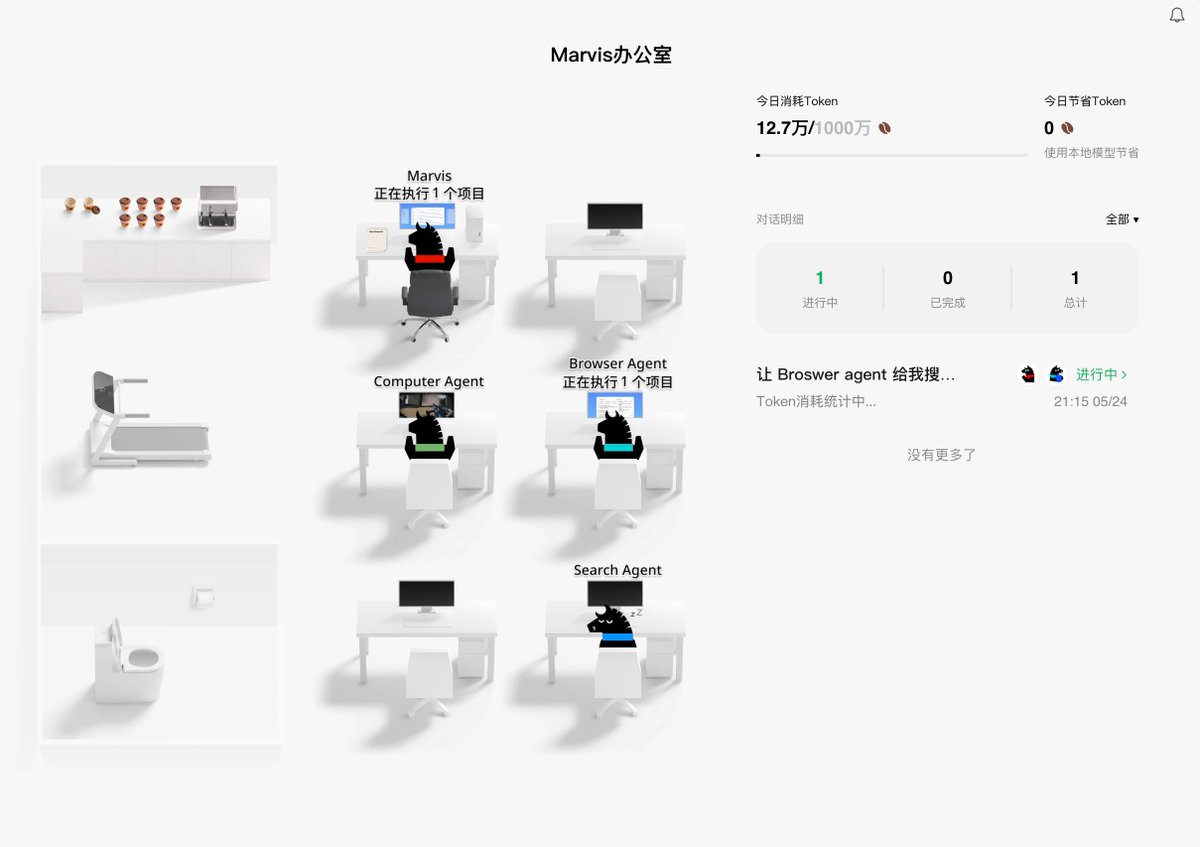
Tencent’s Marvis Agent is described as an AI project manager simulating an office, capable of collaborating with other agents and displaying interesting animations, such as agents slacking off to play games. The author humorously evaluates its execution results as “hard to describe” and cleverly contrasts it with the “token cost” of a real office, sparking thoughts on the efficiency and behavior of AI agents in work scenarios.
AI Chip Component Costs: Memory Rises to 60% ⭐ 7
High Bandwidth Memory (HBM) now accounts for 63% of AI chip component costs, significantly higher than other parts. This indicates that memory is the key cost bottleneck for current AI hardware. Fluctuations in memory supply will significantly impact the cost of AI training and inference, also providing ample room for memory technology innovation.
Domestic Agent + Model Recommendations ⭐ 7
Due to network restrictions, only domestic agents and models can be used. The post seeks recommendations for domestic AI agent and model combinations, prioritizing effectiveness over price. This provides a reference direction for developers facing unstable network environments in China or having specific compliance needs.
AI News Daily - May 24th ⭐ 6.5
This is a link to an AI News Daily report covering important information from the AI field on May 24th. It serves as a convenient information aggregation source for developers looking to quickly catch up on the latest industry trends.

Geoff Hinton Was Once a Google Intern ⭐ 6
A tweet about Geoffrey Hinton’s early position at Google being an “intern.” Although the context is unclear, it might suggest that even pioneers in AI may have started their careers in inconspicuous roles or at interesting career junctures. This offers interesting industry gossip for AI practitioners.
The “Slop” Problem of AI Assistants (Clanker) ⭐ 6
The author argues that using AI agents (clankers) for software development is an “expensive mistake.” The “slop” (crude, imprecise code) they produce is difficult to discern due to the high fitting of statistical models, unlike tools like AFL. He believes AI is merely a statistical model imitating programming and cannot truly program, worrying it might harm large organizations and code quality. This serves as a warning for indie developers using AI for development assistance.
Indie Development & SaaS
Suno Music Player Sharing ⭐ 8.5
The author developed an entertaining product over the weekend, the Suno Music Player, supporting both desktop and mobile, for sharing AI-generated music. Although the backend management is not yet perfect, it demonstrates the ability of indie developers to quickly build applications using new technologies (like Skill, ChatGPT) and provides an open-source project link for other developers.

Cursor Reaches $3 Billion in Revenue ⭐ 7.5
AI coding editor Cursor reports annual revenue of $3 billion and expects to exceed $6 billion by the end of 2026, far surpassing the time it took Salesforce to reach similar revenue. This indicates that the tool layer built around AI models (like Cursor) still holds immense commercial value and hints at the importance of proprietary computing and in-house model development.

Open Source Projects
Codex Team’s Skills/Subagent Accumulation Sharing ⭐ 8.5
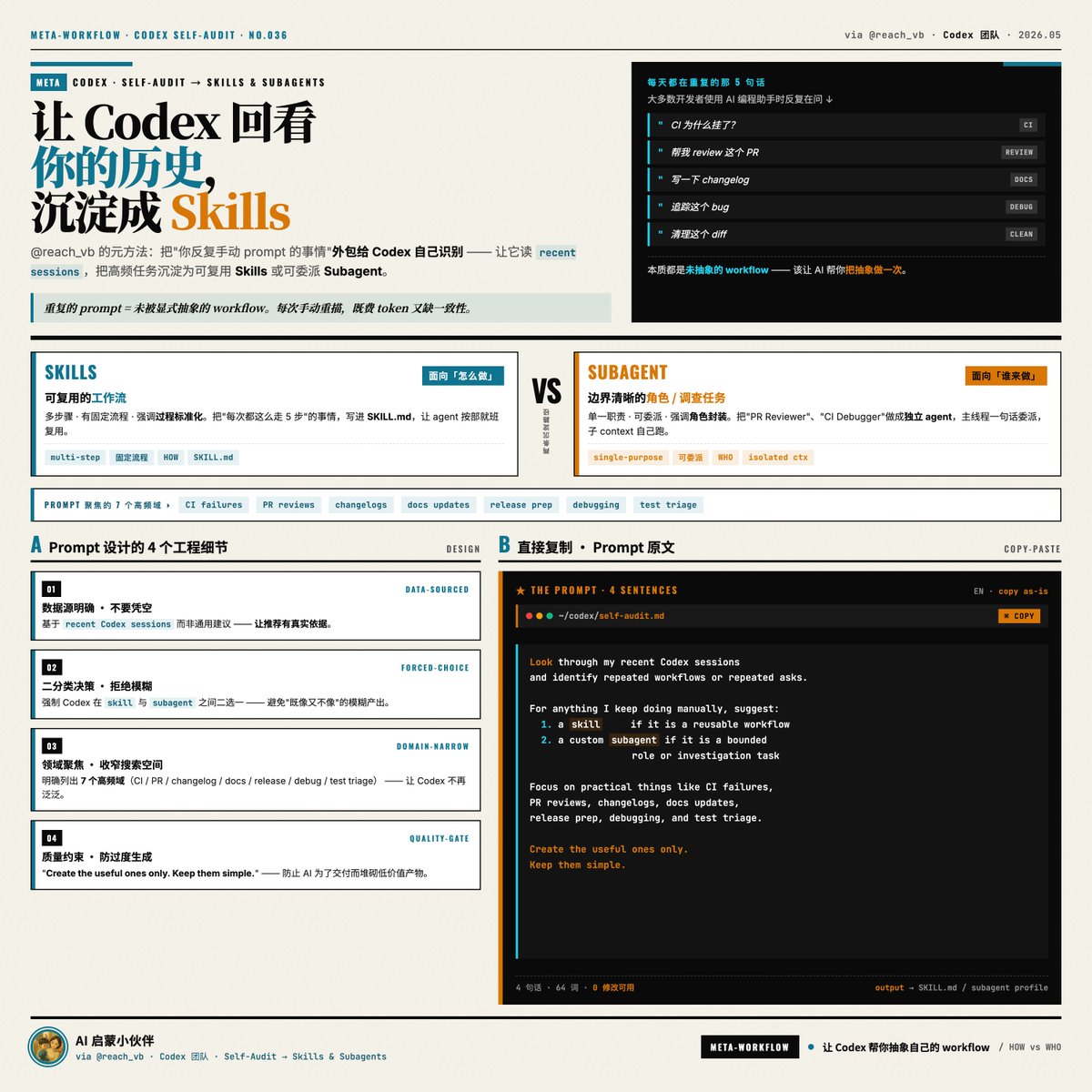
The Codex team shares how to enable AI to review conversation history and identify and accumulate reusable Skills or Subagents. The post details engineering aspects of prompt design, such as clear data sources, binary classification, domain focus, and quality constraints. It also proposes differentiating Skills for workflows and Subagents for roles or investigation tasks, offering practical guidance for indie developers building more efficient and reusable AI assistants.
Microsoft Open Sources Earliest DOS Source Code ⭐ 7.5
Microsoft has open-sourced the earliest discovered DOS source code to date, which is significant for understanding early operating systems and Microsoft’s development history. Related discussions also touch upon the costs of early software development and the importance of BASIC, reflecting the value of open source in technological inheritance and community development.
Liquid Glass Visual Effect Web Implementation ⭐ 7.5
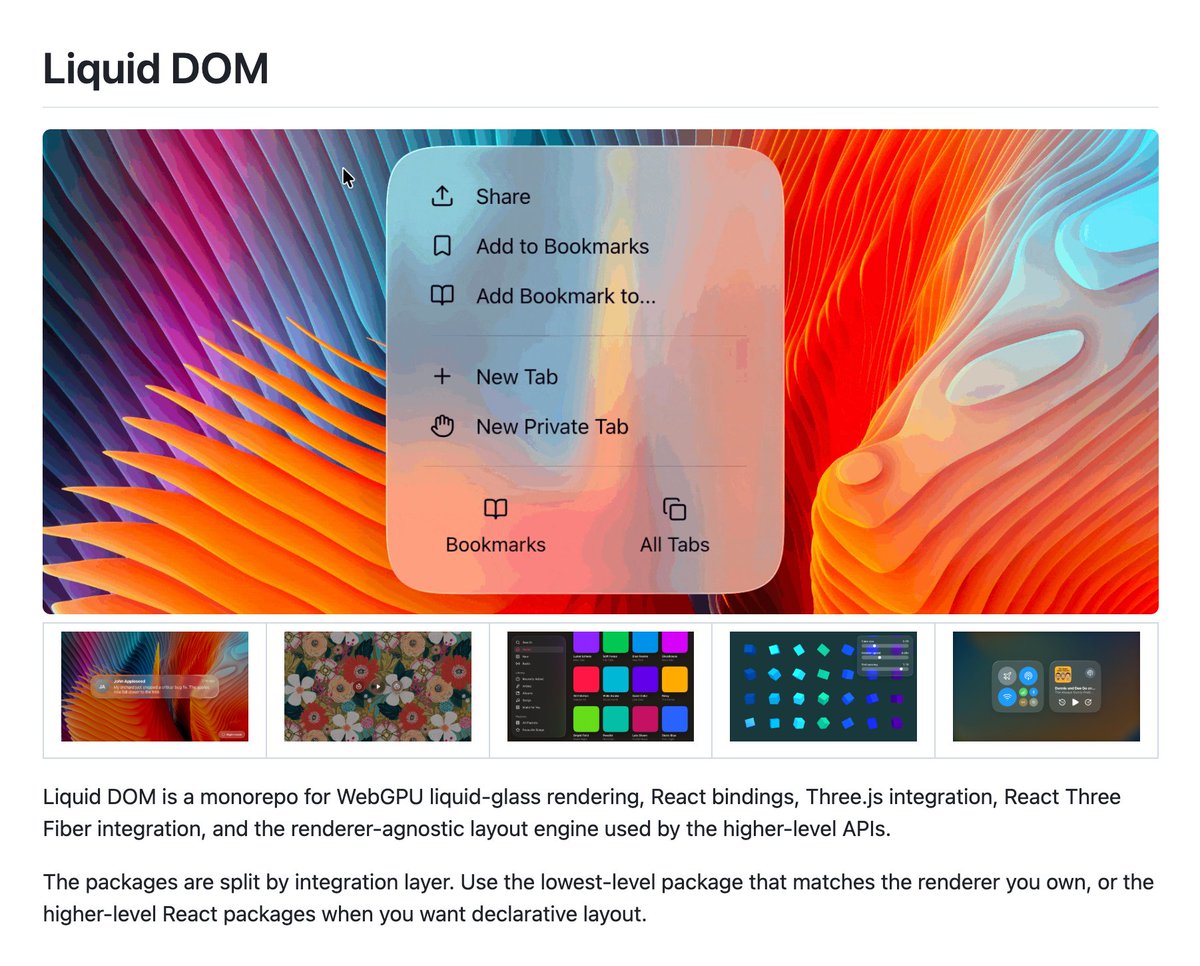
This post introduces how to replicate Apple’s Liquid Glass visual effect from visionOS/iOS on the web using WebGPU and experimental HTML-in-Canvas APIs. Through the open-source project Liquid DOM, this technology achieves true optical synthesis, supporting shape deformation, dynamic refraction, and reflection, offering web developers a new way to achieve advanced visual effects.
Secure rsync Written in Golang ⭐ 7
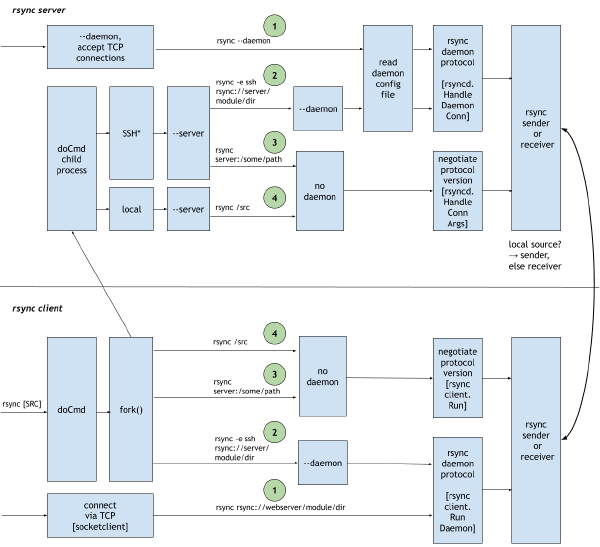
The author analyzes the security advantages of writing rsync in Go. By comparing several CVE vulnerabilities, he emphasizes how Go’s memory safety, zero-value initialization, and os.Root API effectively prevent specific types of security vulnerabilities. The article also discusses the importance of minimizing code complexity to reduce security risks, providing ideas for secure coding practices for developers.
Using the Issue Tracker for the Pi Project ⭐ 6.5
The author shares his experience using AI to assist development in the Issue Tracker for the Pi project (an AI Agent tool). He points out that AI-generated “slop” (low-quality, inaccurate reports) creates extra burden for maintainers and emphasizes the importance of clear, accurate human descriptions. The article also discusses how AI increases the number of projects but may lead to community fragmentation, calling for strengthened open-source collaboration.
GEO Public Course Announcement ⭐ 6
This post announces that an instructor will hold a GEO public course on the waytoagi platform, where they will share GEO system logic, strategy principles, and AI tools and practices. This offers an opportunity for learning and exchange for developers interested in Geoflow and AI applications.

Industry News
Maturity of Agent Technology and New Opportunities ⭐ 9
The author believes that with the maturity of Agent technology, new technical possibilities have emerged for refactoring classic products like Douban. Even if Agent technology is not yet fully mature, its potential is evident, indicating that Agent technology is gradually permeating various industries and may spawn new business models and user experiences.
Vulnerability of LLM Agents in Backend Code Generation ⭐ 8.5
Research reveals the phenomenon of “constraint decay,” where LLM Agent performance declines when navigating clear architectural rules. Current models excel at unconstrained generation but are still insufficient for production-level backend development. This prompts developers to cautiously assess the reliability of AI in complex projects when using it for code generation and to recognize its advantages in rapid prototyping.
Startup Experience Sharing: Investors Beware ⭐ 8
The author recommends a podcast featuring candid sharing after starting a business, specifically emphasizing “Investors beware, entrepreneurs listen more.” This suggests that there may be some undisclosed challenges or risks in the recent AI startup landscape, and understanding these “candid truths” can help indie developers and entrepreneurs avoid potential pitfalls.
Australia’s Four-Day Work Week Study ⭐ 6
Data from a four-day work week study in Australia indicates an increase in productivity. Some comments suggest further reducing working hours and improving fairness, while others believe the four-day work week is conservative and AI advancements should lead to shorter work weeks. This sparks broad discussions about future work models and the impact of AI.
Social Media Buzz
The Programmer’s Way of Survival: Token Price Drop ⭐ 7
A tweet humorously discusses the programmer’s way of survival: “Don’t drop the token price, I want to drop the price.” It quotes Microsoft’s view that “Tokens are more expensive than people,” implying a tug-of-war between AI service costs and labor costs, and how programmers position themselves in the age of AI. This might be a playful exploration of AI costs and value.

Refactoring BS: The Importance of Sticking to Principles ⭐ 6.5
A tweet praises a company for “successfully saying no to the whole thing (AI hype)” and calls them “a team with a mission-driven MTS.” This might be discussing the excessive hype or unrealistic promises in the AI field and commends teams that maintain a clear understanding of AI’s actual capabilities and applications.