07-02-Daily - AI Hot Daily
AI Hot Daily 2026/7/2
Daily curated AI + indie dev news
Today’s Summary
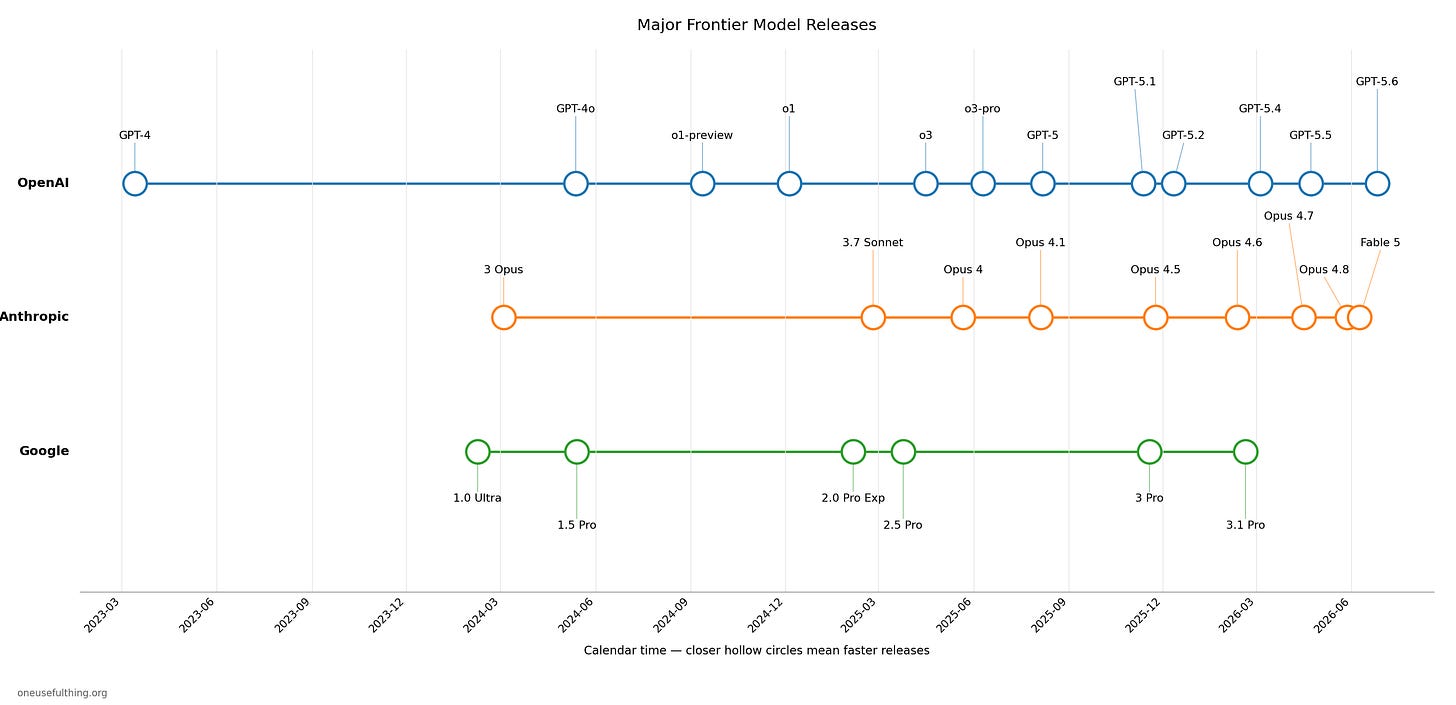
AI capabilities are rapidly improving, potentially signaling the end of the era of general-purpose models.
The importance of local AI is highlighted, with rapid progress in open-source models.
AI agents are gaining more attention, requiring developers to focus on integration and management.
AI Technology & Products
Anthropic Launches ClaudeScience ⭐ 9
Anthropic has released ClaudeScience, an AI workbench for scientists. It integrates commonly used research tools, databases, and computing power, covering the entire workflow from literature analysis to paper finalization. The workbench provides complete, reproducible process records, including code, runtime environments, and conversation history. It’s already being used by institutions like ManifoldBio, the Allen Institute, and UCSF.

Claude Sonnet 5 Released, Agent Capabilities Enhanced ⭐ 8.5
Anthropic has released Claude Sonnet 5, aiming to provide agent capabilities close to Opus 4.8 but at only 40% of the API price. The new model shows significant improvements in agent programming and knowledge work benchmarks, capable of autonomously completing more complex tasks. Its introductory API pricing is lower than comparable products from OpenAI and Google.
Anthropic Fable 5 and Mythos 5 Export Controls Lifted ⭐ 8.5
The U.S. Department of Commerce has lifted export controls on Anthropic’s Fable 5 and Mythos 5, allowing users to regain access. This move comes with conditional restrictions, requiring Anthropic to proactively detect and address security risks. This de-restriction has broad implications for the AI industry, potentially affecting competition with companies like OpenAI and raising concerns about China’s progress in open-source models.
Nano Banana 2 Lite: Google’s Fastest and Cheapest Image Model ⭐ 7.5
Google has launched Nano Banana 2 Lite (Gemini 3.1 Flash Lite Image), touted as its fastest and cheapest Gemini image model. It can generate images in under 4 seconds with extremely low API costs. The model supports AI Studio and API calls, making it suitable for applications requiring high-speed generation and iteration.

NotebookLM Supports 60-Second Short Video Generation ⭐ 7.5
NotebookLM now supports generating short videos of approximately 60 seconds, with excellent performance in Chinese video and voice. However, subtitles are currently only available in English. This feature integrates the Nano Banana model to convert article content into video explanations.

AI Tax Agent: Expert Correction-Driven Improvement ⭐ 7
OpenAI’s Tax AI is an AI agent built using Codex that can handle complex accounting workflows, including parsing PDFs, spreadsheets, and client notes. Its core strength lies in iterative improvement through expert review and feedback, turning errors into measurable product enhancements. This represents a more realistic future development model for AI agents.

AI Development Accelerating, General Models Facing Decline ⭐ 7
This article suggests that AI capabilities are accelerating, potentially leading to the end of the era of general-purpose models. While open-weight models lag behind closed-source ones, they are rapidly advancing. Future work will likely shift towards managing AI agents rather than collaborating with chatbots. For indie developers, this means focusing on the integration and management of AI agents and leveraging their capabilities to build products quickly.
Rise of Local AI, Open-Source Models Closing the Gap ⭐ 6.5
Ahmad Osman believes local AI is becoming increasingly important, and the gap between open-source and closed-source models is narrowing. He emphasizes the significance of providing complete local AI solutions, including models, hardware, and surrounding tools, offering indie developers opportunities to deploy and control AI locally.

Diffusion Model Research in Molecular Discovery ⭐ 7
Research from Genesis Molecular AI indicates that advancements in diffusion models for 3D structure prediction could solve key challenges in small molecule drug discovery. This signals new opportunities and technical directions for developers interested in AI applications in scientific research, particularly drug discovery.
Vercel CLI Supports Preview Deployments ⭐ 7
Vercel CLI has added a --dry option to preview framework configurations and files before actual deployment. This helps indie developers check deployment content before deploying, reducing errors, and allows for automated checks via JSON output, improving deployment efficiency and reliability.
Vercel Security Dashboard Enters Private Beta ⭐ 7
Vercel’s new Security Dashboard aims to aggregate security statuses for accounts and projects, helping teams identify and fix configuration errors. This can effectively enhance application security and reduce the risk of security incidents for indie developers and small teams.
Secure Inter-Service Communication on Vercel ⭐ 7
Vercel’s new Service Bindings feature allows for secure communication between services and automatically injects environment variables, simplifying configuration and security management for multi-service applications (e.g., frontend calling backend). This provides convenience for indie developers building complex applications.
AI News Daily Digest July 1st ⭐ 6
A daily digest of AI news, including the latest technology trends and product updates. This collection summarizes AI information from July 1st, providing users with a one-stop overview.

AI Engineer World’s Fair Highlights ⭐ 6
The AI Engineer World’s Fair focused on the concepts of “loops” and “software factories,” showcasing the evolution of the AI engineer role and how agents and loops can enhance automation. Additionally, the development of open-source AI, including models like LLM and M3, was a significant topic.

Indie Development & SaaS
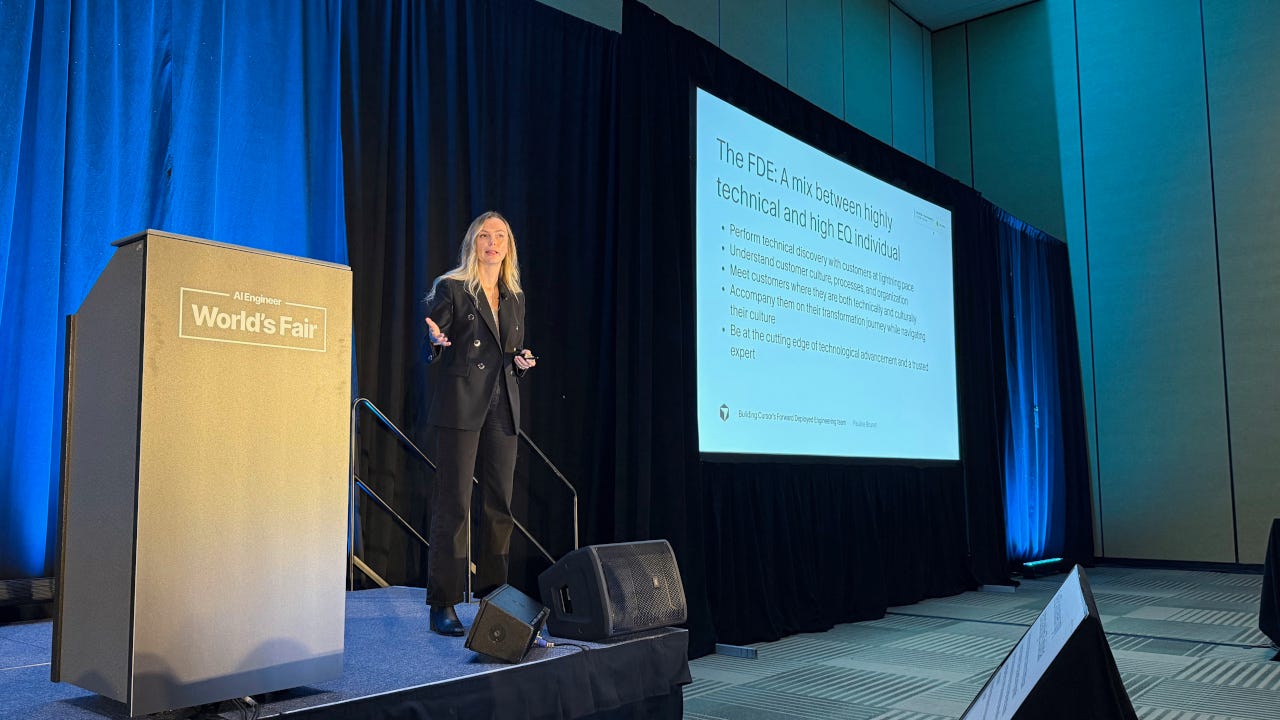
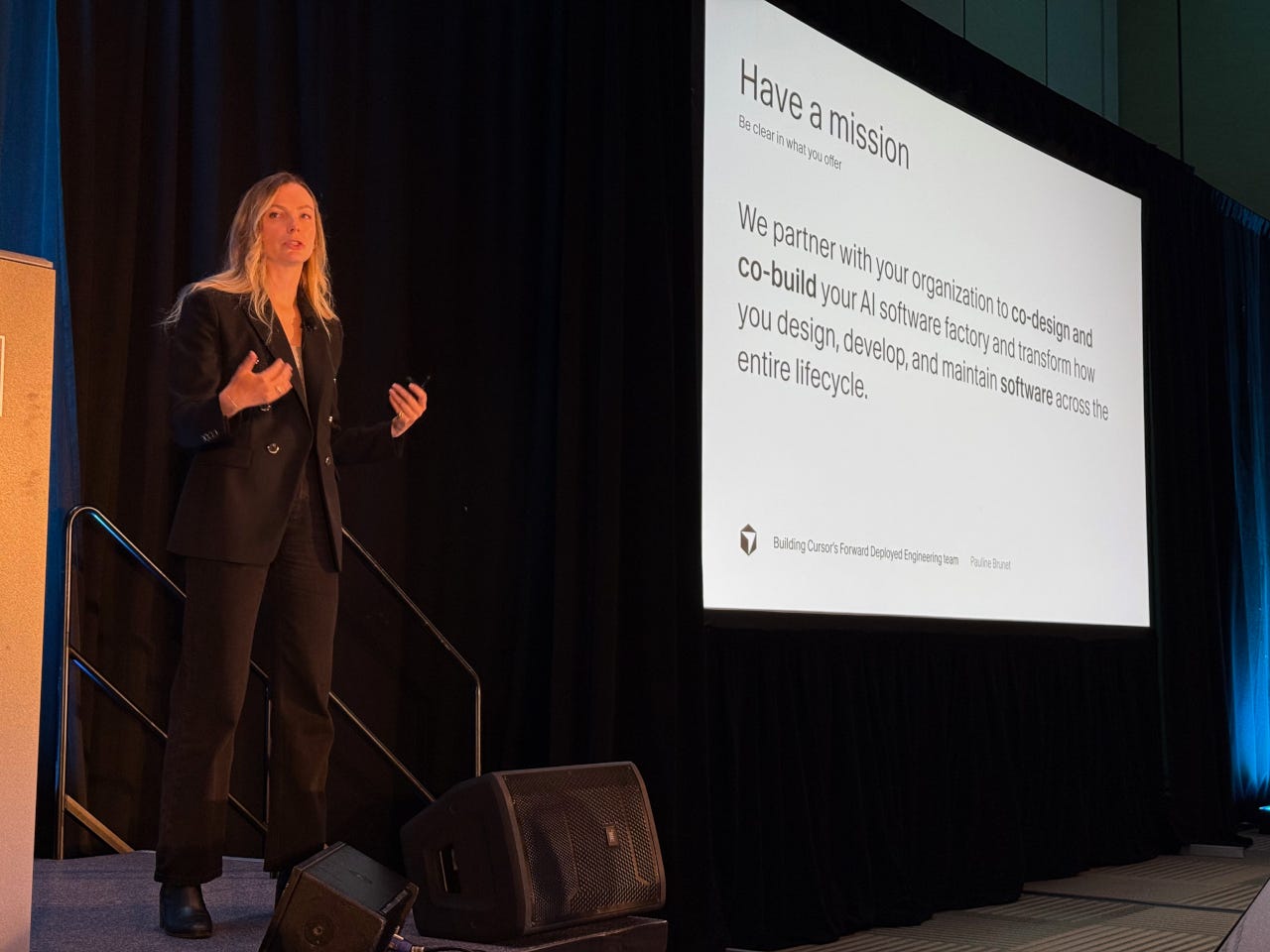
Cursor’s AI Enterprise Deployment Strategy ⭐ 8
Cursor’s Forward Deployed Engineering (FDE) team is dedicated to helping enterprises deploy AI agents throughout the software development lifecycle, building “AI software factories.” This role bridges software engineering, product development, and customer implementation, focusing on customized deployments and solving scaling challenges for clients. Cursor is rapidly expanding its FDE team and seeking engineers with extensive customer experience.
Valve’s Strategy on Not Subsidizing Hardware Platforms ⭐ 7
Valve explains its reasoning for not subsidizing hardware platforms like the Steam Deck, emphasizing the long-term benefits of an open system. This offers other hardware or software developers a perspective on business models and ecosystem building, advocating for open and honest pricing over short-term subsidies.
Frontend Development Skills: Professional Terminology ⭐ 7
This article suggests that mastering professional terminology in frontend development is key to achieving professional animations and interactions. For example, one can consult ‘animation-vocabulary’ for animation terms, use ’emil-design-eng’ to refine animations, or use ‘review-animations’ to check for issues. This provides practical advice for indie developers to enhance their UI/UX professionalism.
Gnome GIF App ⭐ 6
Gnome is a minimalist Mac and iOS app designed to simplify sending GIFs in chats and emails. It offers quick search access, eliminating the need for a browser, and can sync local GIF libraries. It’s available for a one-time purchase.
Open Source Projects
shot-scraper Supports AI-Generated Demo Videos ⭐ 8
Version 1.10 of shot-scraper introduces a video command that allows AI agents to automatically record demo videos of web applications based on a storyboard.yml file. Developed using the GPT-5.5 xhigh model within Codex Desktop, this feature significantly lowers the barrier to creating workflow demonstrations, pushing AI-assisted development to new heights.
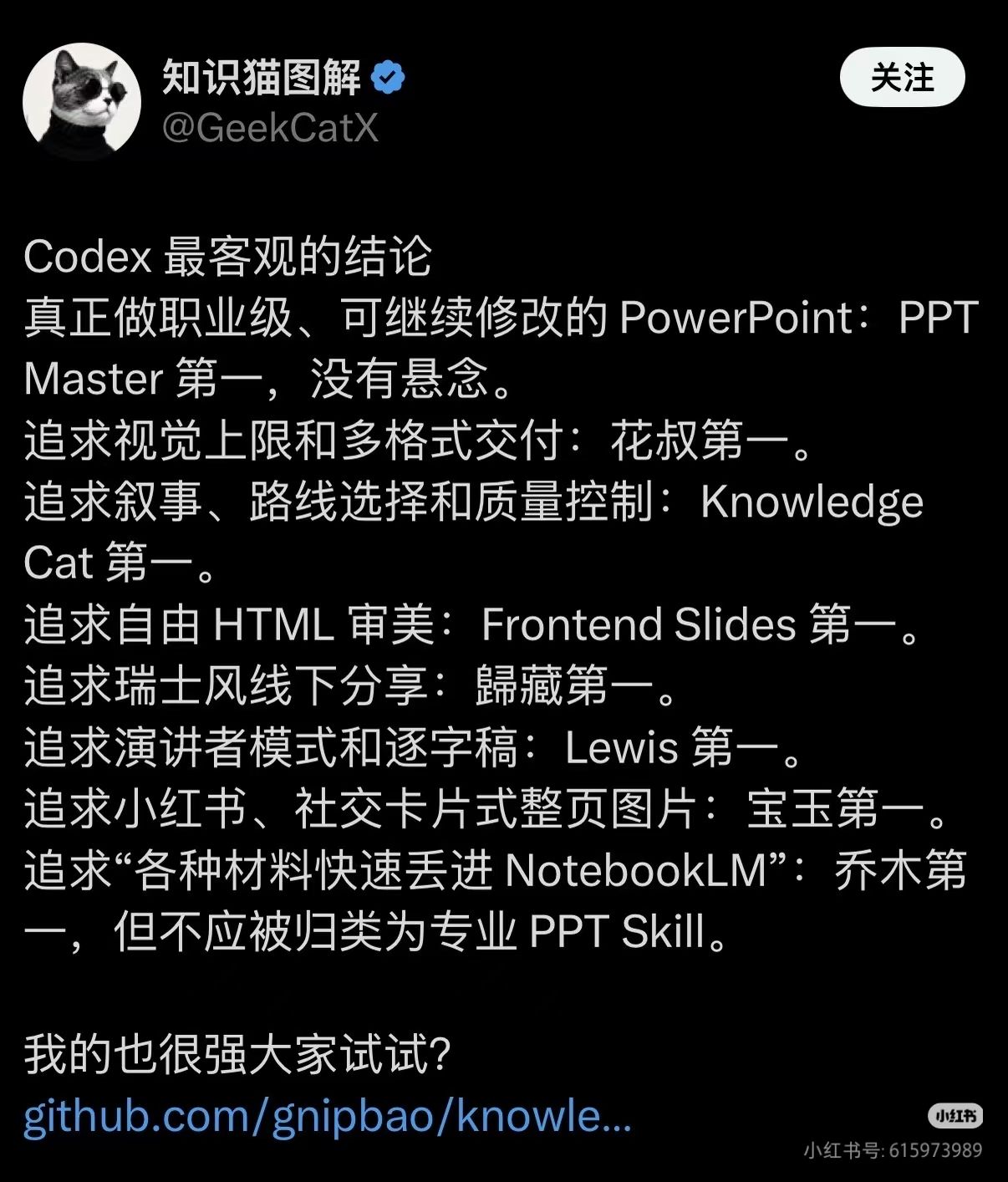
AI PPT Skill Open Source Project Rankings ⭐ 7.5
This share ranks open-source projects for AI PPT Skill. hugohe/ppt-master ranks first with features like editable PPTX format, voice cloning, and narration generation. Other projects offer unique strengths in aesthetics, HTML output, or image generation, providing various tool options for AI-assisted PPT creation.
FFmpeg 9.1 Releases New AAC Encoder ⭐ 6
FFmpeg 9.1 introduces a new AAC encoder aimed at providing higher quality audio output and resolving artifact issues from previous versions. This means indie developers and content creators can achieve better sound effects in their video and audio projects without needing to install third-party encoders.
Box3D: An Open-Source 3D Physics Engine ⭐ 6
Erin Catto has released Box3D, an open-source 3D physics engine designed to provide high-quality physics simulations. This offers a powerful new tool for indie game developers, simulation application developers, and machine learning researchers requiring physics computations, potentially becoming as influential as Box2D in the RL domain.
IPFS Content Publishing Speed Improvement Solution ⭐ 6
By introducing an “optimistic provide” mechanism, the speed of content publishing (PUT RPC) on IPFS has been improved. This allows users to regain control immediately after partial success, with other operations proceeding in the background. While there’s discussion in the community about this definition of “faster,” it’s expected to enhance user experience.
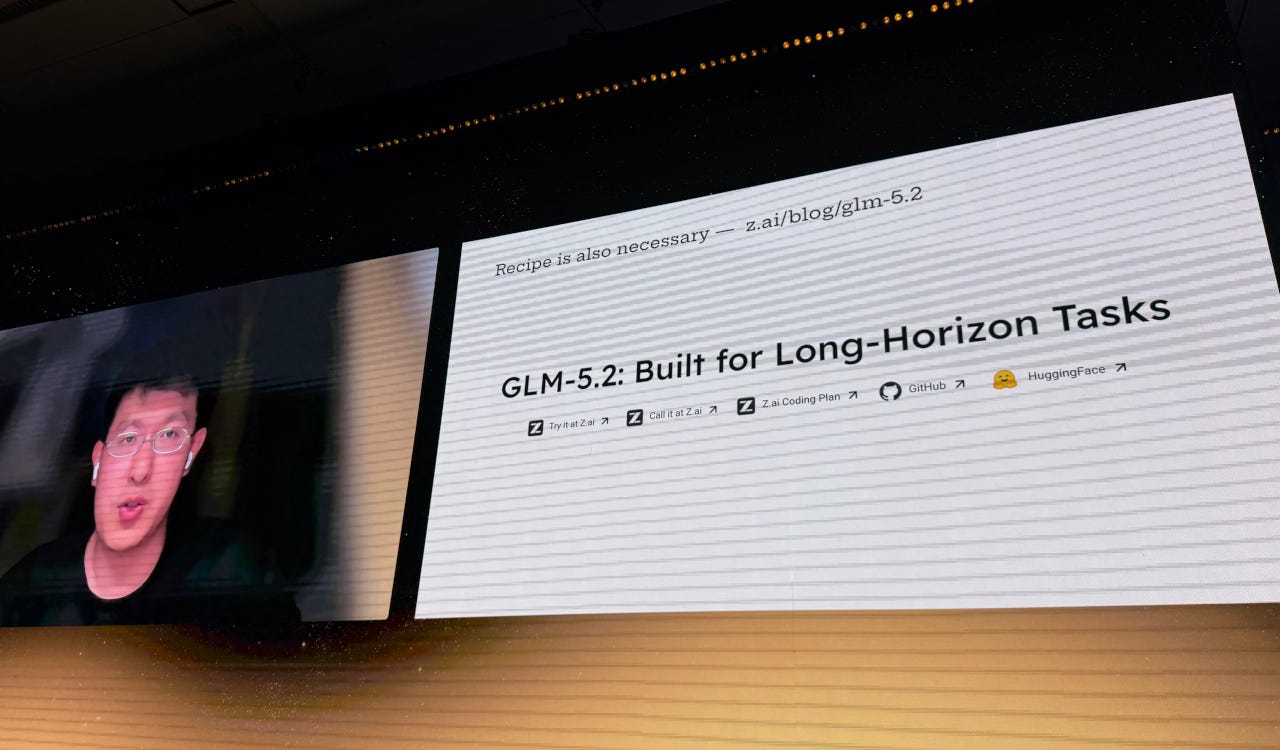
Open Source LLMs GLM-5.2 and ZCode ⭐ 6
Z.ai, a Chinese company, has released GLM-5.2, its open-source large language model for long-context tasks, and launched ZCode, a tool supporting all cutting-edge models. ZCode is compared to OpenAI’s Codex.
MiniMax Open Source Model M3 ⭐ 6
MiniMax has released its latest open-weight model, M3. The rise of open-source AI is driving the adoption of local AI and accelerating the realization of new capabilities.
Industry News
PlayStation to End Physical Disc Production for Games Starting 2028 ⭐ 7
PlayStation has announced that it will cease physical disc production for new games released on its consoles starting January 2028. This move has sparked widespread community discussion, raising concerns about digital content becoming rental-based, game archiving, and digital rights management (DRM). Questions have also been raised about the potential impact on the Blu-ray industry.
Gen Z Entrepreneurs Focus on Practical AI Applications ⭐ 7.5
At the AI Next “Feng Xiang Hui” (Sharing Session) in Shanghai, Gen Z entrepreneurs shared their experiences in applying AI to vertical industries and niche scenarios. They emphasized the practical value of AI + real-world needs, rather than pursuing flashy concepts or technological leadership. This pragmatic approach to AI application has been widely recognized.

ClickHouse’s Advantages in Observability Highlighted ⭐ 6.5
This article analyzes ClickHouse’s advantages in handling large-scale log data. Its columnar storage and high compression ratios make it more cost-effective and performant than traditional solutions like Elasticsearch. For indie developers building observability platforms, ClickHouse is a highly promising backend choice.

Resend Joins Vercel Marketplace ⭐ 6
Email sending service Resend is now available on the Vercel Marketplace, allowing Vercel users to send emails without managing infrastructure. This integration simplifies the quick integration of email functionality for developers and supports building email templates using React.
AI Software Factories and Forward Deployed Engineers ⭐ 6
The AI Engineer World’s Fair discussed the concept of “software factories,” emphasizing the management of the entire software development lifecycle through automation and agents. The role of Forward Deployed Engineers (FDEs) is emerging, focusing on helping enterprises integrate and coordinate AI agents.
Social Media Buzz
3Blue1Brown Interview: AI’s Parallelization Advantage ⭐ 8.5
A summary of an interview with Grant Sanderson of 3Blue1Brown reveals several key insights about AI: the low probability of cross-domain knowledge connections, AI’s limitations in creating entirely new frameworks of thought, and AI’s most underestimated advantage being parallelization rather than intelligence. The rapid iteration of AI in mathematics and code is attributed to its verifiability and parallel processing capabilities.

Benedict Evans on OpenAI’s Moat and the Future of Software ⭐ 8.5
In a podcast episode, Benedict Evans discusses OpenAI’s moat and the future of software. Host Matt Turck and Benedict Evans delve into the differences between AI in information processing and creative thinking, as well as AI’s parallelization advantage. The podcast content was translated and annotated with AI assistance, highlighting AI’s potential in knowledge work.
Wei Xiaokang on ByteDance and Meituan’s Organizational Logic and AI Era Transformation ⭐ 8.5
In a podcast, Wei Xiaokang, former head of recruitment at ByteDance and Meituan and now an AI product manager, shares profound insights into organizational building, recruitment strategies, and organizational changes in the AI era. He emphasizes the impact of founders’ working styles on corporate culture, Meituan’s “721” talent development philosophy, and the need for organizations to possess the ability for rapid iteration and adaptation in the AI era.

Analysis of Anthropic Account Bans ⭐ 7
Many users have recently had their Anthropic accounts banned due to issues such as IP addresses (data center IPs, domestic cloud service provider IPs), non-service region locations, and company email server regions. The article advises users to uninstall and reinstall, avoid transferring chat history, and emphasizes the importance of normal usage for new accounts before topping up. It also mentions a Reddit discussion about “spyware.”
Practical Experience Training LLMs with JAX ⭐ 7
The author details their experience building an LLM training loop from scratch using JAX. This covers technical details such as model implementation, training loop setup, data loading, optimizer configuration (Flax NNX, Optax), loss function selection, gradient accumulation, learning rate scheduling, gradient clipping, and checkpoint restarts. This provides a valuable practical guide for indie developers or researchers training LLMs with JAX.

Software Engineering Principle: “Make it Work, Make it Right, Make it Fast” ⭐ 6
This article emphasizes the practical sequence in software engineering: “Make it Work. Make it Right. Make it Fast.” For database selection, it suggests prioritizing SQLite first (“Make it Work”), then optimizing hotspots (“Make it Right”), rather than rejecting it upfront due to its limitations. This offers guidance for indie developers choosing technology stacks in the early stages of a project.
