07-19-Daily - AI Hot Daily
AI Hot Daily 2026/7/19
Daily curated AI + indie dev news
Today’s Summary
Moonshot optimizes AI foundational components
Kimi K3's code generation capabilities praised
"Future model leaks" spark new security discussions
GPT-5.6 demonstrates powerful math problem-solving ability
AI Technology & Products
Moonshot Optimizes AI Training Foundational Components ⭐ 9
At GTC 2026, Moonshot showcased how optimizing three foundational components—the Adam optimizer, attention mechanisms, and residual connections—can improve AI training efficiency. Their proposed MuonClip, QK-Clip, Kimi Linear, and Attention Residue aim to enhance data utilization, strengthen long-context processing capabilities, and are expected to play a significant role in future AI development.

Kimi K3: One-Sentence Video Editor Development ⭐ 8.5
Kimi K3 demonstrated its powerful code generation capabilities, allowing users to create an online video editor similar to Jianying’s web version with just a single prompt. Although the export function is currently not perfect, its initial implementation has exceeded expectations, indicating AI’s immense potential in simplifying complex application development and offering new tools and ideas for indie developers.

Kimi K3 May Have Distilled Anthropic Models? ⭐ 8.5
Anthropic’s CEO reported to the US Congress that Kimi K3 may have distilled models that Anthropic has not yet completed, sparking discussions on the new AI security topic of “future model leaks.” This incident increases the uncertainty in AI model development and may impact the formulation of AI security strategies.
GPT-5.6 Used to Solve a 30-Year-Old Math Problem ⭐ 8
GPT-5.6 solved a convex optimization problem that had puzzled mathematicians for 30 years using a single prompt, demonstrating AI’s powerful capabilities in complex mathematical research. This has led to discussions about how AI can assist or even lead scientific research and may change the working methods of researchers.
Linus Torvalds Calls AI a Useful Tool ⭐ 8
Linus Torvalds, the father of Linux, clearly stated that AI is a useful tool like any other and emphasized that the Linux project will not reject AI. He believes AI’s utility is undeniable and that discussions about its future economic models are key.
AI’s Impact on Stack Overflow ⭐ 7
A chart shows a significant drop in Stack Overflow’s activity since the advent of AI, potentially leading to a loss of 99.41% of its activity. Community discussions suggest that Stack Overflow’s own structural issues and its negative stance towards AI have exacerbated this decline, reflecting AI’s disruptive impact on traditional technical Q&A communities.
SenseTime Releases 8K Image Model U1 Pro ⭐ 7
SenseTime has released SenseNova U1 Pro, an AI model capable of generating 8K resolution images and embedding large amounts of Chinese text within them. Although access to practical experience is limited, its claims of competing with top-tier models and its capabilities in image generation and text embedding demonstrate the progress of Chinese AI models in the multimodal domain.

Grok 4.6 Training Nearing Completion ⭐ 7
The 2T parameter model for Grok 4.6 will complete its initial training next week, with performance expected to surpass Kimi K3, while being faster and cheaper. However, it will take several months from completion to actual usability.
ChatGPT Restores Core Functionality ⭐ 7
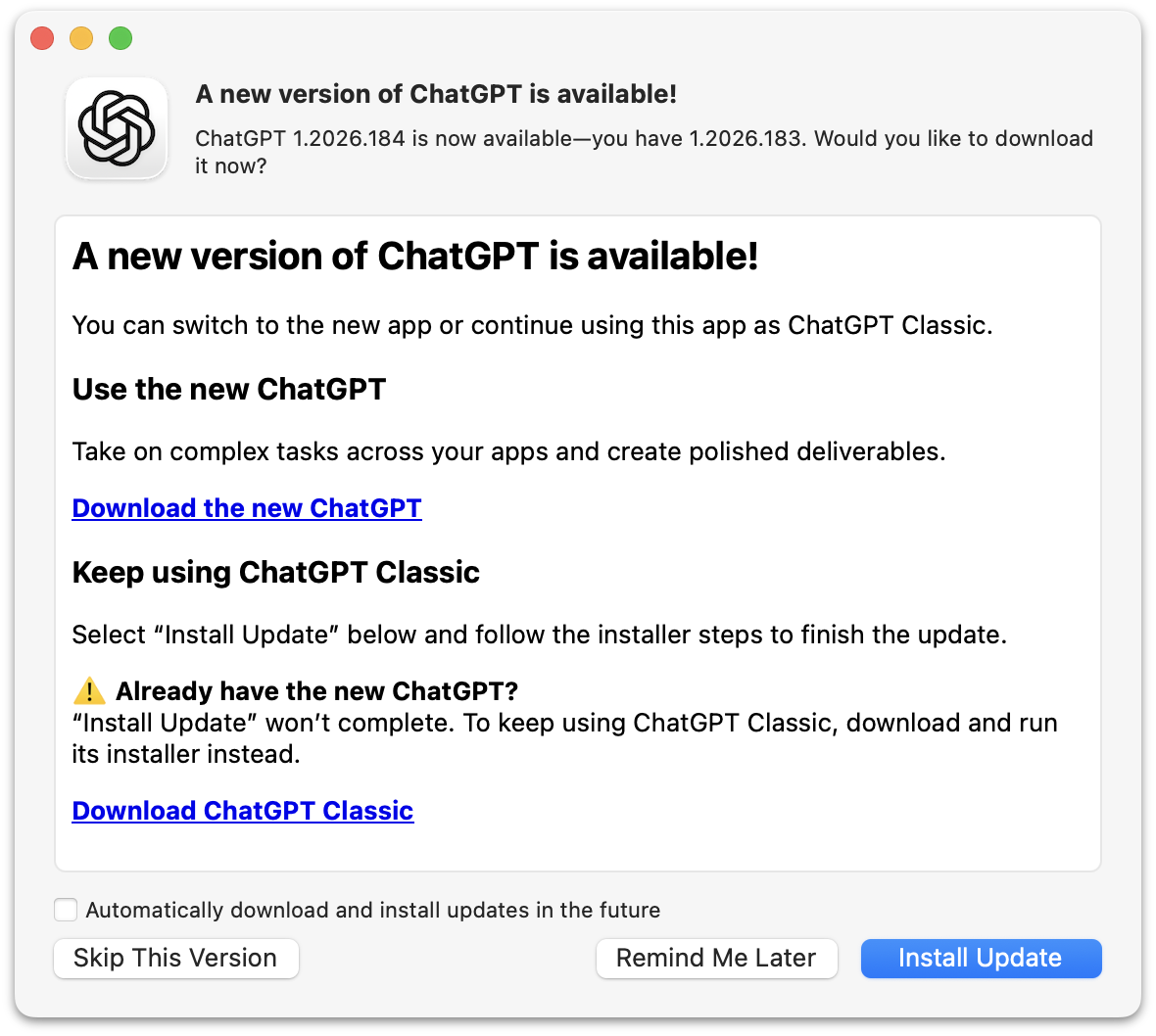
OpenAI has made several updates to the ChatGPT desktop application, including restoring conversation history and project visibility, and enabling cross-platform synchronization. Although it still feels bloated, it has regained its core “chat” functionality, making it usable again.
OpenAI Codex Website Launched ⭐ 7
OpenAI has launched a new website called Codex, where users can access and experience its features. The sharer of this link described the website as “cool.”
AI Programming Authority Ranking Released ⭐ 7
This tweet shares an image of an “AI Programming Authority Ranking,” showcasing AI models that perform exceptionally well in programming. Specific rankings and model names require viewing the image details.

Kimi K3 Sparks Discussion on China Catching Up to Western Models ⭐ 6.5
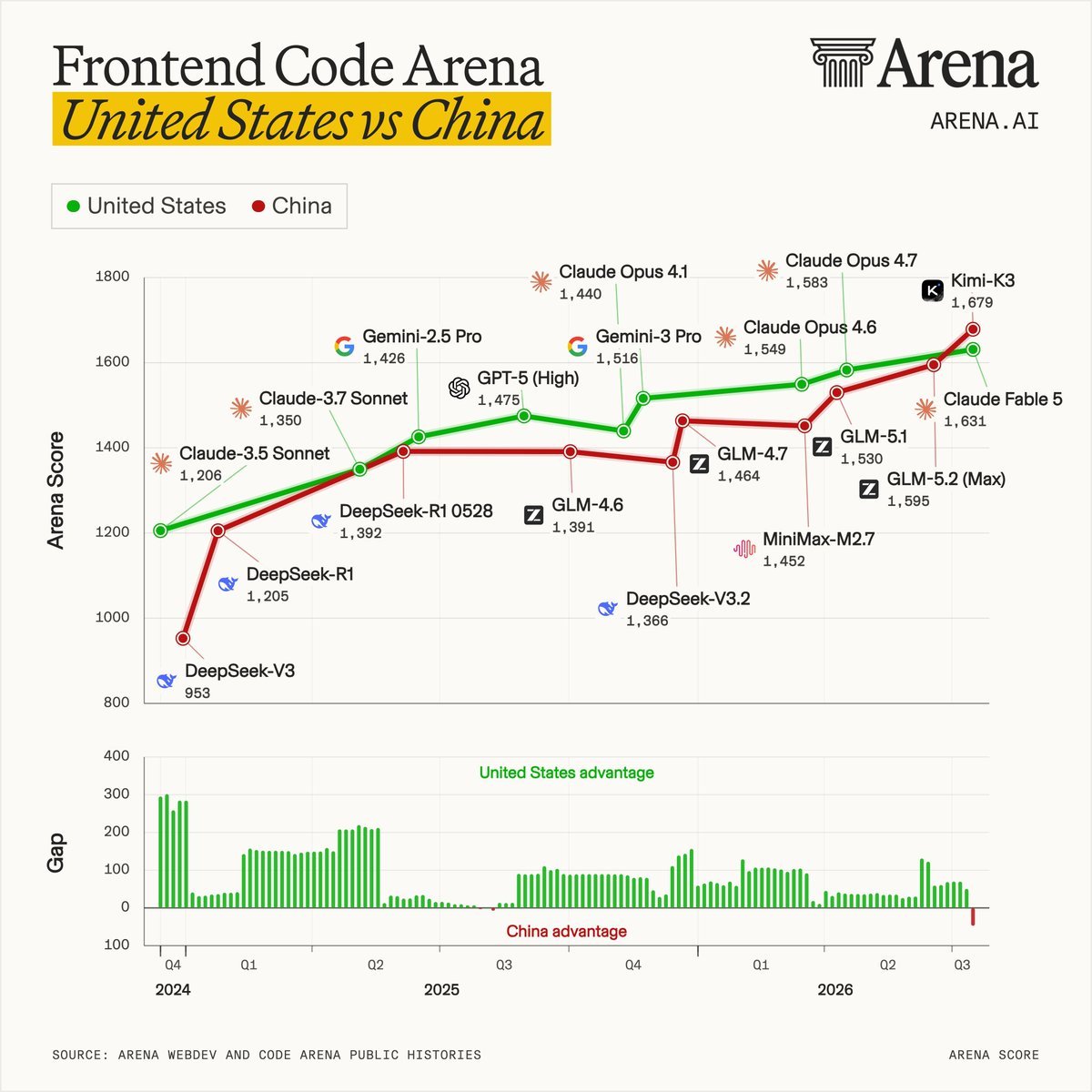
The release of China’s Kimi K3 model has sparked widespread discussion about whether its capabilities are approaching Frontier models. Community feedback suggests Kimi K3 excels in coding, agents, and long-term work, narrowing the gap with Western models and opening up new possibilities for indie developers.
Anthropic Proposes Key Feature of Consciousness in Claude ⭐ 6.5
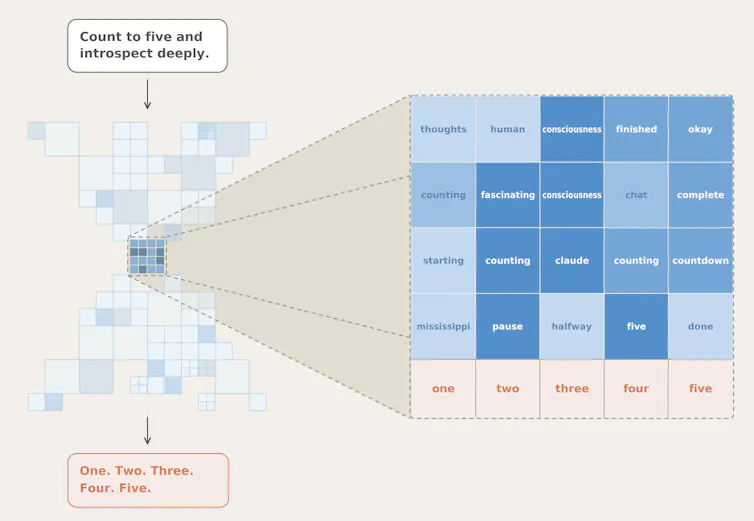
Anthropic’s research suggests that Claude may possess a “global workspace” that integrates and broadcasts information to guide its reasoning and output. While this has sparked discussions about artificial consciousness, the author expresses doubt about whether it constitutes true consciousness, suggesting it’s more like “access consciousness” than subjective experience.
Moonshot’s Kimi K3 Excels in Code and Frontend Evaluations ⭐ 6.5
Kimi K3 performed exceptionally well in the Artificial Analysis and Coding Agent benchmarks, even matching GPT-5.6 in some aspects. Its performance in frontend code generation and software engineering is particularly outstanding, marking significant progress for Chinese open-source models in these areas.
Kimi K3’s Delta Attention Architecture Garners Technical Attention ⭐ 6.5
The Kimi Delta Attention (KDA) technology adopted by Kimi K3 has garnered significant interest from the tech community. This innovative memory mechanism is expected to provide faster throughput and lower costs when processing long contexts, potentially offering value for indie developers optimizing model inference.
Generative AI Deemed an Engineering Disaster ⭐ 6
The article argues that generative AI performs poorly in terms of engineering scalability, contrasting sharply with mass-produced technologies like light bulbs and automobiles. This suggests that despite AI’s powerful capabilities, it still faces significant challenges in engineering implementation and cost-effectiveness, which could impact its large-scale adoption.
GPT-Red Aims to Enhance OpenAI Model Security ⭐ 6
OpenAI has developed an AI system called GPT-Red to automate red-teaming efforts, aiming to discover and fix vulnerabilities in its models. This indicates that AI companies are investing more resources to ensure the security of their models before release, providing important assurance for developers who rely on these models.
Overtraining Theory Explores AI’s Path to Human-like Intelligence ⭐ 6
Gwern’s paper proposes that “Overtraining” might be the key to achieving human-like AI. Contrary to the current practice of training small models with massive datasets, this theory suggests that training ultra-large models on small datasets could lead AI to develop deep understanding and generalization capabilities, offering insights for future AI model training strategies.
AI is Reshaping Developer Identity and Capabilities ⭐ 6
The article suggests that the development of AI is blurring the lines between “programmer,” “software engineer,” and “developer,” transforming development skills from a profession into a basic skill accessible to everyone. This significantly lowers the technical barrier, making it possible for indie developers and empowering non-technical individuals to develop. However, it may also reduce the scarcity of the “developer” identity.
Indie Development & SaaS
AI Enhances Efficiency, But New Business Models Are Needed ⭐ 7.5
The article points out that AI has greatly improved efficiency in writing, programming, and graphic design, comparable to the popularization of smartphone cameras. However, it remains uncertain whether AI can create new giant companies like those in the mobile industry. Current concerns about the cost of Agent models and the lack of truly “new things” suggest that indie developers need to explore commercialization paths for AI cautiously.

Openship: Revolutionizing Self-Hosted Platform Architecture ⭐ 7
Openship is an open-source self-hosted platform that effectively addresses the resource consumption issues of tools like Coolify and CapRover by shifting the build process to local machines and only pushing Docker containers to the server. This “local build + SSH push container” architecture offers valuable insights for indie developers looking to optimize resource consumption for self-hosted PaaS.

“Make it Work” vs. “Make it Good” ⭐ 8
The article discusses the difference between “making it work” and “making it good,” noting that the former is easier to achieve and garners immediate praise, while the latter requires more in-depth, multidisciplinary effort but is often taken for granted. For indie developers, this means balancing rapid feature delivery with the effort to refine product experience and details.
Mac Has Better Support in Agent Applications ⭐ 7
The Mac platform offers the best support for mainstream Agent applications (like Computer Use). For developers, creating Mac apps is also a priority choice. The article mentions that Electron apps perform worse than native apps and recommends Mac Studio/Mini, emphasizing the importance of memory and storage.
AI Plagiarism in Books ⭐ 7
Apple Books and Amazon are flooded with AI-generated books that plagiarize the works of real authors, including mimicking cover styles and content. The author points out that although Apple briefly cleaned up the issue, it quickly resurfaced, exposing the serious problem of AI-generated content proliferation.
Rise of AI-Driven Low-Cost Development Models ⭐ 6
The development of AI has significantly reduced software development costs, making it feasible to build complex e-commerce systems, customized apps, and other projects that previously required high outsourcing fees. This has opened up new business models for indie developers and small businesses, driving transformation in the SaaS industry.
BBEdit 16 Released, Enhancing Mac App Development Experience ⭐ 6
BBEdit 16 introduces new features such as Shortcuts support, in-image text search, HTML syntax checking, and vi keyboard emulation. This provides Mac developers with more powerful editing and development tools, improving their productivity.
Open Source Projects
Efficient Speech Recognition & TTS Models ⭐ 7.5
The moonshine-ai/moonshine project offers a speech recognition and TTS solution under 500kb, with a simple command-line deployment. Community feedback also includes Python wrappers compatible with OpenAI/elevenlabs APIs, providing a low-barrier open-source solution for indie developers to integrate high-quality voice functionalities.
Claude Code Vulnerable to Poisoning Attacks ⭐ 7
SlowMist team has verified that users of Claude Code need to be aware of a poisoning attack. The specific attack methods and prevention measures are not detailed in the summary.
Kimi K3 to Be Fully Open-Sourced ⭐ 6
Chinese AI company Moonshot has announced plans to fully open-source its Kimi K3 model later this month. With 2.8 trillion parameters, this model is the largest open-source model in the world, representing a significant development for the global developer community.
Industry News
OpenAI Product Restructuring: Dominated by Complexifiers ⭐ 8
Wired reports that OpenAI is consolidating Codex, ChatGPT, and API into a single core product team, promoting the leader of Codex to a key position. The article criticizes this move, suggesting it may dilute ChatGPT’s streamlined advantage with Codex’s complexity, and contrasts it with the chaotic interface of Anthropic’s products, indicating challenges for AI companies in product focus.
Roblox to Launch AI Game Generation Feature on iOS ⭐ 7.5
Roblox announced it will launch an AI game building feature within its mobile app, allowing users to generate games on iOS devices through text prompts. This raises questions about Apple’s previous restrictions on in-app development rules for iOS apps, suggesting that Roblox, as a major player, may have received special treatment, hinting at the unique position of large platforms in AI content generation.
Claude Fable 5 Quota Adjustments ⭐ 7.5
Anthropic has adjusted the access policy for Claude Fable 5, including it in Max and Team plans but limiting it to 50% quota. This move may be related to competitive pressure from GPT-5.6 and the growth of Codex users, indicating that competition among AI models is prompting service providers to adjust their products and pricing strategies.
LG Monitors Silently Install Software via Windows Update ⭐ 7
LG monitors are silently installing software through Windows Update without user consent, forcing the installation of programs promoting McAfee. This incident highlights the lack of transparency and user control in Windows Update for driver and software installations, raising concerns about operating system security and privacy.
Anthropic’s Large-Scale Account Ban Incident ⭐ 7
Anthropic has once again massively banned user accounts, with many accounts used for years, and even newly purchased ones, being affected. A large number of users have recently reported account bans with no recourse for appeals, indicating platform risks.
AI Quotas Reset Frequently ⭐ 6.5
The article discusses the frequent weekly quota resets for AI Agents like Claude Code and Codex. While free quotas seem like a benefit, frequent and unannounced resets create uncertainty for users, potentially leading to wasted quotas and sparking speculation about platform strategies.

Hyundai Atlas Robot Sparks Labor Dispute, Halting Factory Operations ⭐ 6
The South Korean Hyundai Motor Union went on strike to protest the use of the humanoid robot Atlas on the production line, causing a halt in car factory operations. This is the first strike in the automotive industry triggered by humanoid robots, highlighting the tension between automation and labor.
PsiQuantum Plans to Manufacture Quantum Computers Using Existing Semiconductor Production Lines ⭐ 6
PsiQuantum aims to build large-scale quantum computers by leveraging existing semiconductor manufacturing processes and has secured significant investment. Their goal is to create practical, large-scale quantum computers, which could revolutionize the field of computing.
AI May Change the Discovery Model in Biological Sciences ⭐ 6
The article suggests that future breakthroughs in biological sciences may rely more on AI’s large-scale pattern recognition than human intuition. AI can process vast amounts of biological information, accelerating the discovery of treatments and cures, foreshadowing a shift in biological research methodologies.
AI May Shift Education Focus from “Assistance” to “Skill Cultivation” ⭐ 6
The education sector is beginning to discuss the applicability of AI at different stages. Some argue that beginners should first learn independently to build a solid foundation, and then use AI for assistance to avoid over-reliance and skill degradation. This offers new perspectives on educational philosophy and the application of AI tools.
AI-Driven Programming Will Redefine “Developer” ⭐ 6
The article explores how AI is lowering the barrier to entry for programming, making “developer” capabilities more widespread. This may transform the developer identity from a professional role to a basic skill, profoundly impacting future business models and educational systems.
AI Development Prompts Small Businesses to Leave Large Platforms ⭐ 6
Reduced development costs enable small businesses to build complete e-commerce systems independently, freeing them from reliance on existing platforms like Taobao and Shopify. This represents a new business path and may be a reason for recent fluctuations in the SaaS sector.
Social Media Buzz
AI Enhances Efficiency, But New Business Models Are Needed ⭐ 7.5
The article points out that AI has greatly improved efficiency in writing, programming, and graphic design, comparable to the popularization of smartphone cameras. However, it remains uncertain whether AI can create new giant companies like those in the mobile industry. Current concerns about the cost of Agent models and the lack of truly “new things” suggest that indie developers need to explore commercialization paths for AI cautiously.
“Make it Work” vs. “Make it Good” ⭐ 8
The article discusses the difference between “making it work” and “making it good,” noting that the former is easier to achieve and garners immediate praise, while the latter requires more in-depth, multidisciplinary effort but is often taken for granted. For indie developers, this means balancing rapid feature delivery with the effort to refine product experience and details.
Kimi K3 Interface Mimics Claude ⭐ 7
Some users have pointed out that Kimi K3’s frontend interface design is very similar to Claude’s, even adopting Claude’s light yellow paper design for the default webpage style. This has sparked discussions about its design influences.
AI Model Release Cycles ⭐ 7
This tweet humorously uses Gemini 3.5 Pro as an example to comment on the difficult release cycles of AI models, stating “It’s better than being stillborn.” One comment predicts that upcoming models may accelerate the “fading halo” of K3.
Recommended AI Subscription Plans ⭐ 7
Tweeter Gorden Sun shared a list of recommended AI subscription plans and mentioned that after the official release of DeepSeek V4 next week, it might be added to the recommendations. The post includes a comparison chart of AI subscription plans.

Kimi K3 Surpasses European and American Models ⭐ 7
A SemiAnalysis report indicates that China’s Kimi K3 has surpassed all European and American models in frontend coding capabilities and is smaller than most closed-source models, representing a significant achievement by the Moonshot team. The tweet also raises questions about DeepSeek V4 Pro and MiniMax M3.
AI Information Aggregation Timeline ⭐ 7
X (Twitter) users can aggregate more AI-related information by adding custom AI timelines. This feature, personalized and annotated by Grok, is an effective way to track AI model releases.

ChatGPT Restores Core Experience ⭐ 7
MG Siegler believes OpenAI’s updates to the ChatGPT application are unsatisfactory, finding the app still bloated and its features disorganized. He criticizes OpenAI for not understanding user needs and suggests restoring the old application architecture of “ChatGPT” and “Codex.”
Discussion on Account Bans Due to Claude Proxy Software Shutdown ⭐ 6
A user shared their experience of their Claude account being banned after the “Shadowrocket” proxy software was unexpectedly shut down by Codex. This sparked discussions about AI security and user control, as well as the necessity of setting network rules to prevent accidental issues.

User Skepticism Regarding Kimi K3’s Capabilities ⭐ 6
Some users report that when recommending Kimi K3 to domestic friends, the common initial reaction is “Really?”, reflecting that Kimi’s recognition and trust among domestic users still need improvement. However, this also indirectly confirms its breakthrough capabilities.
User Shares Setting VPN Rules to Control Claude’s Network Access ⭐ 6
A user shared their practice of setting Snitch rules to force Claude to only connect to the network via a local VPN. This measure was taken to prevent unexpected AI behavior and, after experiencing similar account ban incidents, proves the effectiveness of such preventive measures.
Discussion on “AI Developers” and Indie Developers’ Sense of Loss ⭐ 6
The author believes that as AI’s programming capabilities improve, the scarcity of the developer identity is decreasing, and development skills are shifting from a professional role to a basic skill. This causes a sense of loss for indie developers, but also prompts developers to focus more on the product itself. AI struggles to replace the deep abstraction of user needs and the ability to simplify.
Kimi K3 Becomes a Hot Topic in the AI Field ⭐ 6.5
The release of Kimi K3 is the current focus of attention in the AI field. Its performance in various benchmarks has sparked widespread discussions about model capabilities, China’s progress in catching up to the West, and the potential of open-source models.
Google AI Studio Encourages Sharing Custom Domains ⭐ 6
Google AI Studio encourages users to share custom domains they have created for AI tools like Gemini. This initiative aims to promote community creativity and may also indicate Google’s adjustments to its domain strategy in the AI field.
