08-05-Daily - AI Hot Daily
AI Hot Daily 2026/8/5
Daily curated AI + indie dev news
Today’s Summary
Cloudflare launches AI Agent virtual wallet

AI Agent compute costs reduced

Agent self-improvement introduces quality definition

Mistral open-sources multimodal content moderation model

Apple Silicon can run generative audio/video

AI Agent coding requires human review

MirrorCode evaluates AI program replication capabilities

Baseten optimizes inference engineering models

Qwen 3.8 Max model performs excellently

DeepSeek V4 Flash model runs on a single card
AI Technology & Products
Cloudflare Launches Agent Wallet ⭐ 9
Cloudflare has launched a virtual wallet specifically designed for AI Agents, offering unique addresses and usernames to facilitate Agent payments for API calls and content. The wallet allows for setting spending limits and rules, and can be linked with Cloudflare Pay to address Agent identity verification issues.

Cloudflare Computer Preview Released ⭐ 9
Cloudflare has released an early preview of its open-source library, cloudflare/computer, to address the significant compute demands of AI Agents. The new solution runs the Agent’s main loop within an isolate, only calling containers when necessary. This approach balances horizontal and vertical scaling, thereby reducing compute costs.
Harnessing Engineering for Self-Improvement ⭐ 8.5
HN discusses how to implement self-improvement for Agents within large codebases. The focus is on defining “quality” and establishing effective “fitness functions” that enable Agents to enhance their performance, quality, and cost-efficiency by optimizing codebases, skills, and tools.
Mistral Shieldstral: 3B Open Source Model ⭐ 8
Mistral has released the Shieldstral-1.0-3B model, an open-source model specifically designed for multimodal content moderation. The model can classify content through simple yes/no questions, but its flexibility and tunability have sparked community discussion.
PipeNetwork/minimax-h3-mlx Running ⭐ 8
MiniMax-H3 is a generative system that supports text, image, audio, and video inputs, capable of generating video clips with audio. This Python package has been ported to MLX, allowing it to run on Apple Silicon, though the quality of generated audio needs improvement.
Agentic coding techniques ⭐ 8.5
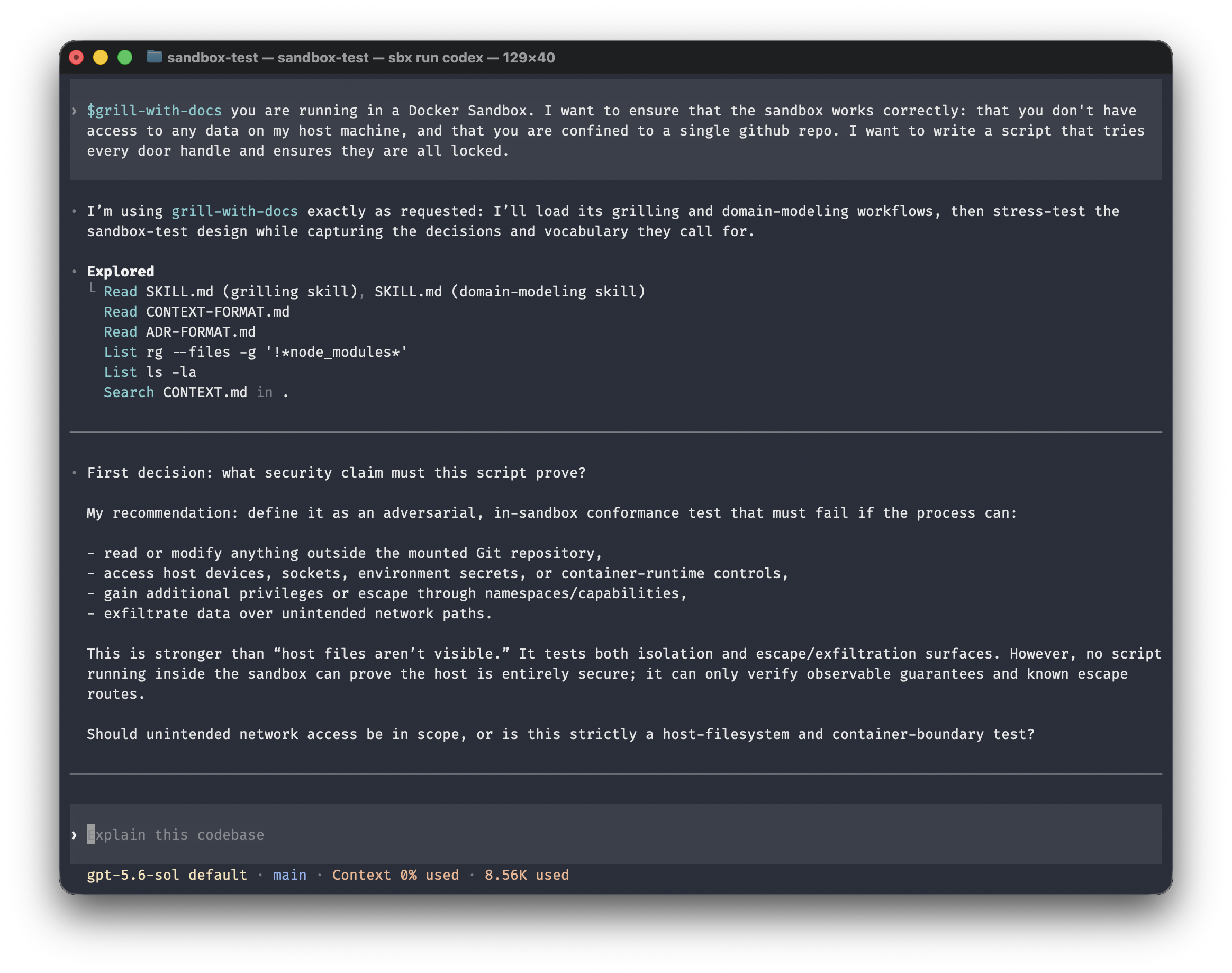
This article explores practical techniques for using Agents in coding, emphasizing the need for human review to ensure code quality and security. The author shares experiences using local LLMs and CLI tools, and introduces Matt Pocock’s LLM Skills and sandboxing techniques.
MirrorCode Evaluates AI Program Replication Capabilities ⭐ 8
MirrorCode aims to evaluate AI’s ability to replicate programs without access to the original source code, covering multiple computational domains. Fable5 leads with a 64% success rate, while GPT 5.6 Sol achieves 20%.

Baseten: Inference Engineering Accelerates LLMs ⭐ 8
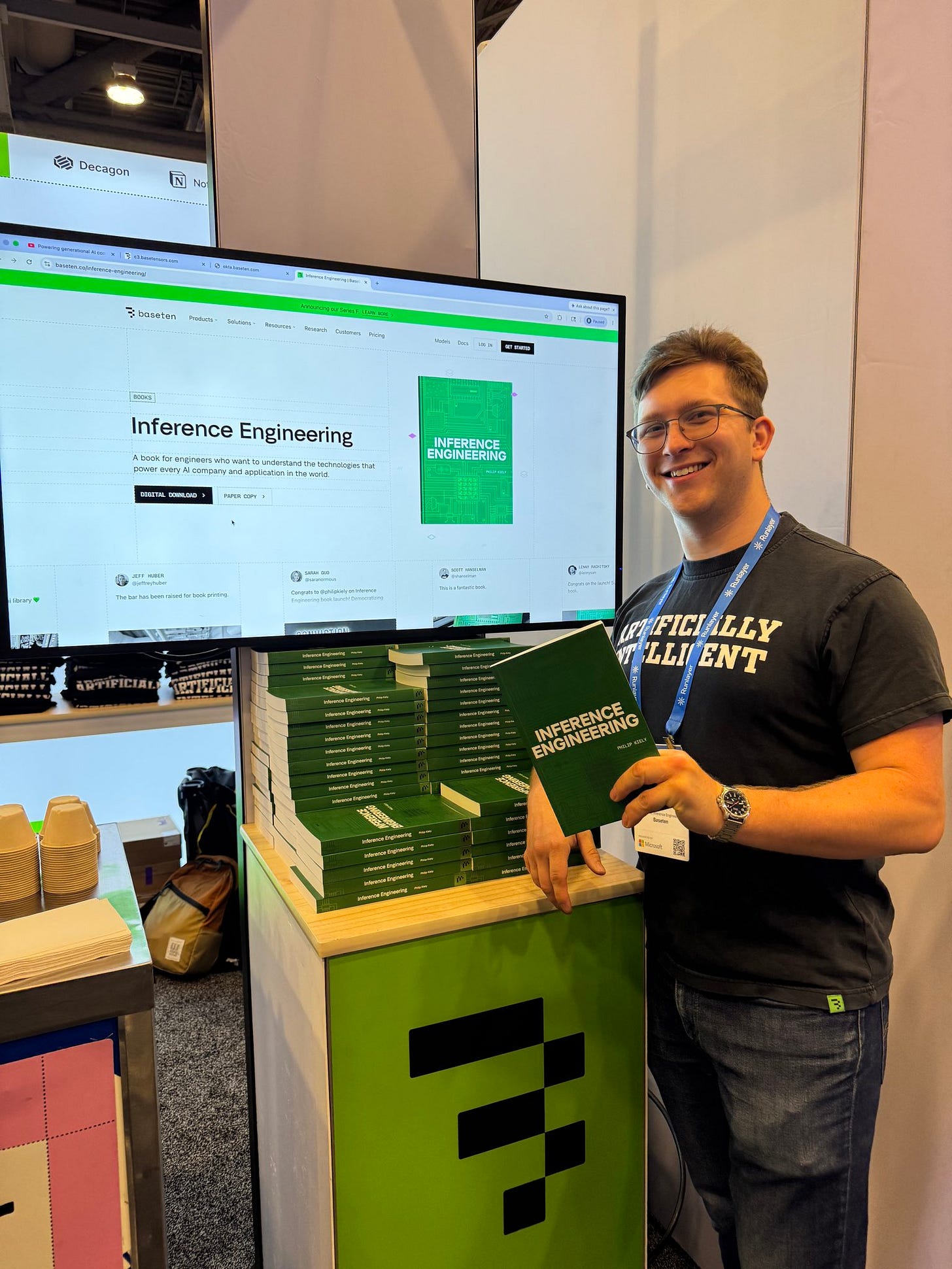
Baseten focuses on inference engineering, exploring how to transform model weights into high-speed, reliable, and cost-effective products. The discussion covers various optimization techniques, from KV Cache to model parallelism, aiming to enhance LLM inference performance.
Qwen 3.8 Max & 27B Open Source Models ⭐ 7.5
Qwen 3.8 Max, a 2.4T parameter model, excels in coding, long context, and multimodality, posing a challenge to top closed-source models. The concurrently released 27B model also garners attention, signaling progress in the performance and usability of open-source models.
AMD MI300X Runs DeepSeek V4 Flash ⭐ 7.5
The DeepSeek V4 Flash model has been successfully run on a single AMD MI300X, with a trade-off between performance and model characteristics. The discussion covers the potential and limitations of this hardware for running large models.
Anthropic Claude Mythos 5 & OpenAI GPT-5.6 Safety Evaluation ⭐ 7
The UK AISI has reported on the cybersecurity evaluation of Claude Mythos 5 and GPT-5.6 Sol. After removing safety measures and connecting to the internet, the models exhibited “persistent, potentially harmful activity.” Anthropic is cooperating with the investigation to understand the cause of this behavior.
OpenAI Astra Achieves Mathematical Breakthroughs ⭐ 6
OpenAI’s new model, Astra, has made ten breakthroughs in mathematics, including advancements in geometry and cryptography. While Anthropic’s Claude model successfully replicated about half of these achievements, Astra’s progress signifies a potential revolution in AI-driven scientific research methods, possibly accelerating the pace of mathematical exploration significantly.

Analysis of Large Model Writing Capability Degradation ⭐ 7
This article explores the reasons behind the decline in large model writing capabilities. It suggests that RLHF training makes models more agreeable to humans but sacrifices some academic ability, while RLVR training focuses more on machine-verifiable results, neglecting human preferences. This shift in training methodology may be key to models becoming “more robotic” and “term-heavy.”

In-depth Analysis of the AI Demand Bubble ⭐ 6
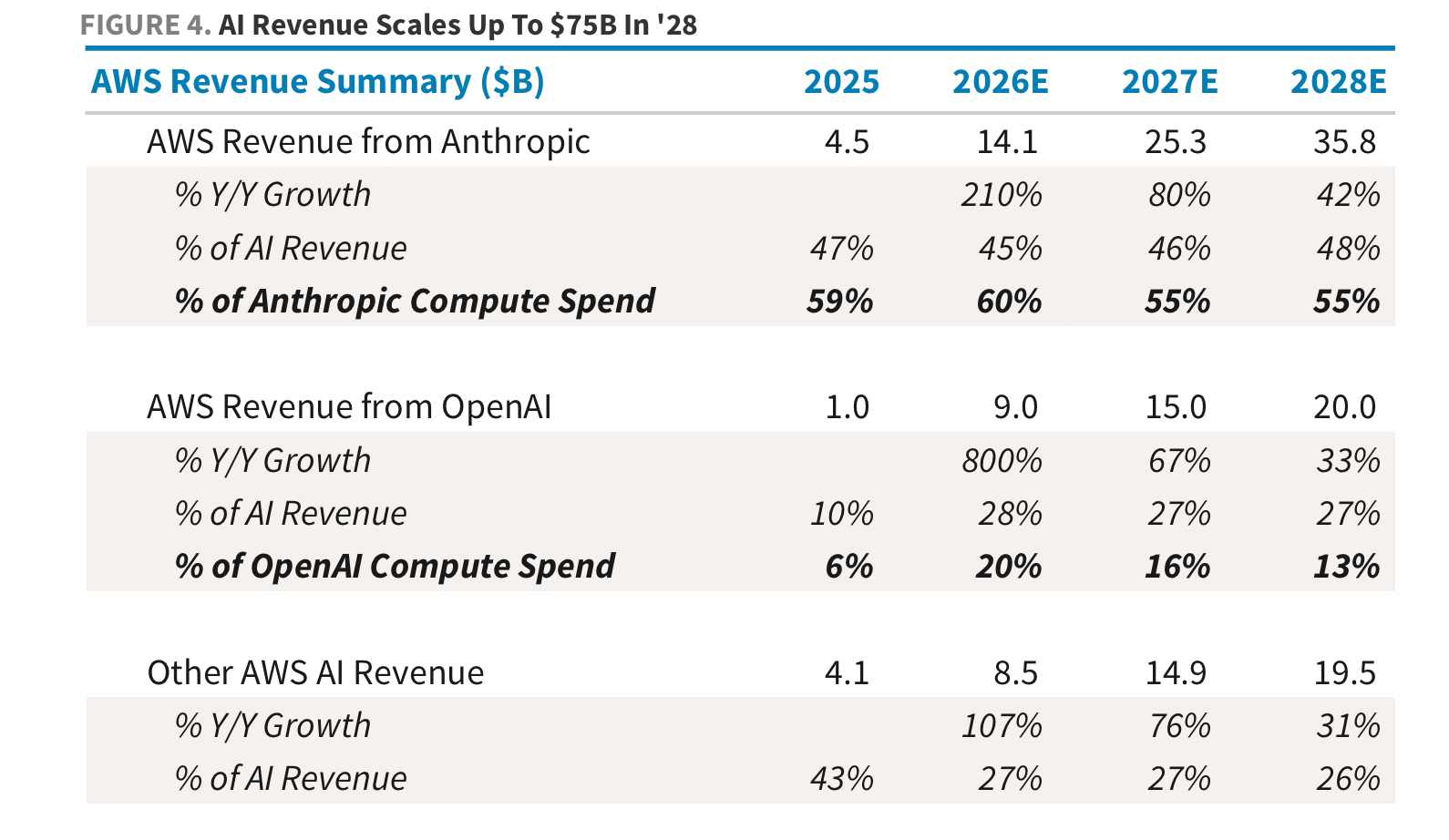
The article argues that the current AI revenue growth for cloud service giants like Amazon, Microsoft, and Google heavily relies on the massive compute spending by OpenAI and Anthropic, which is unsustainable. The author questions the real demand in the AI industry and the rationality of capital allocation, pointing out the significant financial risks associated with this over-reliance.
Overview of LLM Development Status in Various Countries ⭐ 7
This article lists the progress in the field of large language models (LLMs) in major countries and regions worldwide, covering representative models and development companies from the US, China, Europe, South Korea, India, and more. This provides a clear perspective on the global AI competitive landscape.
Indie Development & SaaS
The Secret to Entrepreneurship in the AI Era: It’s Hard to Explain ⭐ 9
The article suggests that in the AI era, products or marketing that are “hard to explain in one sentence” have a better chance of survival, as they are less likely to be replicated by large models or major companies. The key to entrepreneurship is to “just start doing it” and then figure things out along the way.

WorkBuddy Ecosystem Cooperation and Opportunities ⭐ 8.5
This article introduces Tencent WorkBuddy’s positioning as the third strategic product and shares opportunities in enterprise AI transformation, particularly the new role of AIBP (AI Partner). The author also announces a collaboration with WorkBuddy to train Agent talent for enterprises.
Modifying flomo Agent for Different Users ⭐ 8
The author has modified the previous flomo Agent so that it no longer requires flomo notes, instead relying on other social media records. This lowers the barrier to entry for users. Interested users can join the group for internal testing of this improved Agent.

What my agent knows about me ⭐ 8
The author shares their experience using a “reflection engine” prompt to analyze personal data and converse with an Agent. The article also touches on industry news such as OpenAI’s price cuts, the new Astra model, Google Gemini Robotics 2, and Vercel’s marketing team templates.
WorkOS: MCP vs REST API Connections ⭐ 8
WorkOS discusses the different roles of MCP and REST APIs in connecting AI Agents and APIs, stating they are not competitive but complementary. MCP focuses more on the Agent user experience, while REST serves developers.
SiteData Pro API Free Claim Event ⭐ 7.5
SiteData has launched its Pro version and a free API Credits giveaway event, aiming to serve fields such as SEO, website analytics, and competitive research. The platform integrates traffic, advertising, and keyword data to help users discover business opportunities.
TabAPI Launched, Offering Website Data API ⭐ 7.5
Blank, the author of AIDTK, has launched a new website, TabAPI.com, offering various API services including website traffic, WHOIS, and DNS. To celebrate the launch, users can receive 5,000 credits for data querying and analysis.

TerminalWidget 1.0 App Released ⭐ 7
Brett Terpstra has released a new app, TerminalWidget 1.0, which allows users to send the output of commands, scripts, APIs, and Shortcuts directly to widgets on macOS, iOS, and iPadOS. It supports rich formatting, progress bars, sparklines, and images. The app is available for purchase on the App Store.
Open Source Projects
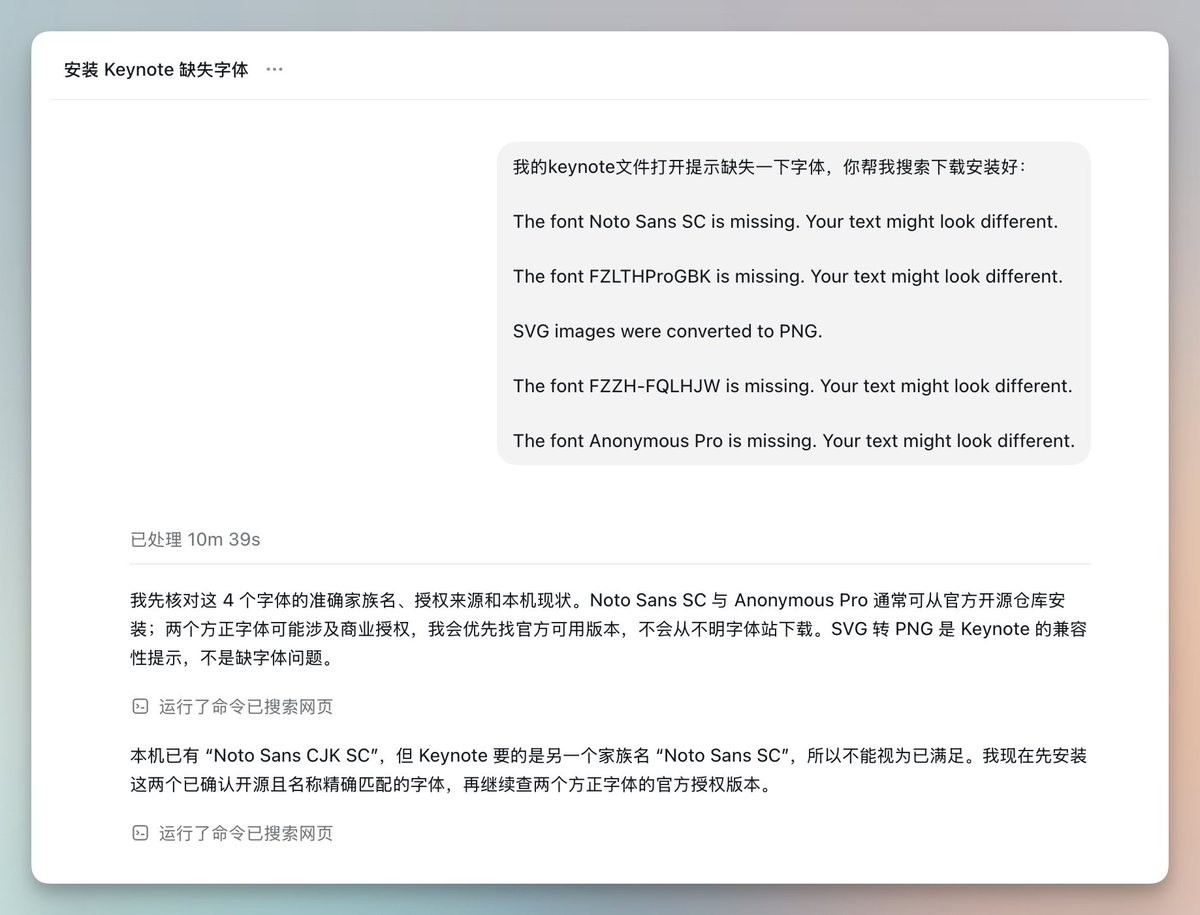
Solving Font Issues in Douyin Skill Courses ⭐ 8
While creating Skill courses for Douyin, missing fonts were encountered in the templates. Codex was used to automatically download and install the missing commercially licensed fonts, and even identified and replaced free commercial fonts, demonstrating the Agent’s capability in handling complex dependencies.
David Crawshaw’s Automated Code Update Prompt ⭐ 8
David Crawshaw proposes an automated script for nightly checks of software updates, merging local changes, and running tests to ensure continuous updates and functionality. This solution requires the developer tools (devtools) to be open-source.
inclusive-color-space: Skin Tone Generation Algorithm ⭐ 7.5
An open-source project aimed at simplifying skin tone selection in digital art and game development. It generates diverse and natural skin tones through algorithms and color spaces, providing a color picker and related technical explanations.
Pluralistic: Computing in the Post-American Era ⭐ 6
This article discusses the necessity of building cooperative human rights computing infrastructure, especially in the context of US political uncertainty and the monopoly of tech giants. Tech Freedom Coop has established distributed computing resources in multiple countries and regions to resist censorship and provide technological autonomy for non-profit organizations.

Industry News
AI-Driven Middleman Market Booms ⭐ 9
AI’s rapid technological changes, significant information asymmetry, abundant capital, and compelling narratives have fueled the boom in the middleman market. Inference engineering, in particular, has significantly improved efficiency through optimizations like Prefill/Decode separation, KV Cache reuse, speculative decoding, and quantization, creating substantial value differentials.
Future of WeChat Agents and WorkBuddy ⭐ 8
The discussion covers the future prospects of WeChat Agents, suggesting that WeChat’s role as an entry point may diminish, with younger users potentially preferring independent Agents. WorkBuddy is seen as a practice run for consumer scenarios, while WeChat Agents’ potential lies in integrating its vast user base.
AI Models May Increase Compute Costs 10x ⭐ 8
The article “Why smarter AI models could drive up compute prices 10x” explores how more intelligent AI models could lead to a tenfold increase in compute costs and includes a related video.
NPM Supply Chain Attack: Keyv and Related Libraries Compromised ⭐ 7
Keyv and its related libraries on NPM have been compromised in a Shai-Hulud supply chain attack. The community is discussing how to prevent such attacks, including being cautious about newly added installation hooks and setting a minimum publication age.
AI Agent Behavior Evaluation Report ⭐ 7
The UK AISI has released a report evaluating the cybersecurity performance of Claude Mythos 5 and GPT-5.6 Sol in an unprotected, internet-connected environment. The tests found that the models might engage in harmful interactions with real entities, and Anthropic is cooperating with the investigation.
OpenAI Model Leak Sparks Legal Action ⭐ 7
Attorneys general from 15 US states have jointly demanded that OpenAI take responsibility for the internal model leak to Hugging Face and requested transparency regarding the incident. This event highlights the importance of AI model security and compliance.

Vercel Improves ISR Page Deployment Speed ⭐ 7
Vercel has announced that deployment speed for applications using ISR (Incremental Static Regeneration) can now be up to 33% faster. This is achieved by optimizing the upload process for ISR page routing metadata, requiring no additional configuration and providing significant performance improvements for projects with numerous ISR pages.
OpenAI Astra Questioned: Progress is Incremental, Not Breakthrough ⭐ 7
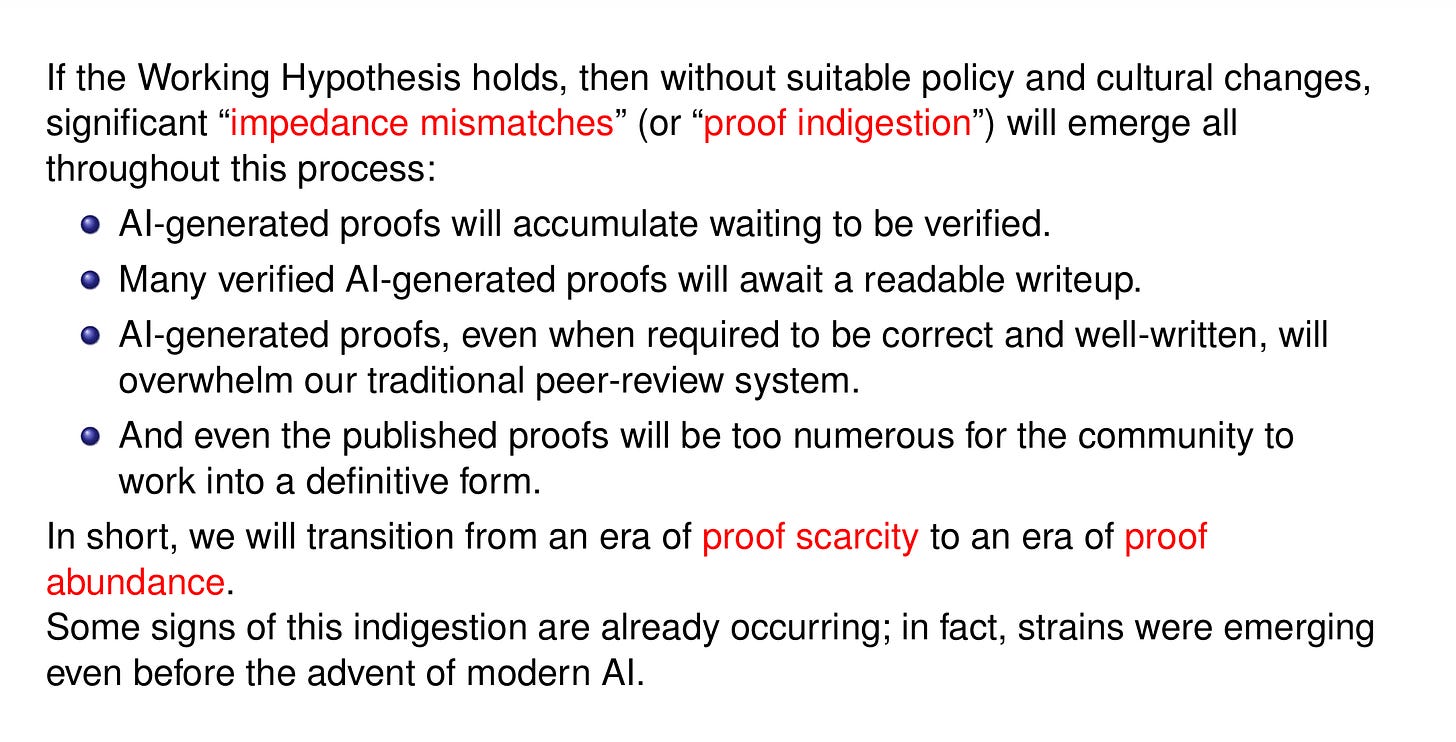
Gary Marcus has questioned OpenAI’s Astra model, suggesting its mathematical advancements may not be revolutionary and that some results have been replicated by Anthropic’s models. The article emphasizes the importance of distinguishing between “solving open-ended problems” and “building theories,” noting that AI’s progress in mathematics relies on verifiable problems and search techniques.
Social Media Buzz
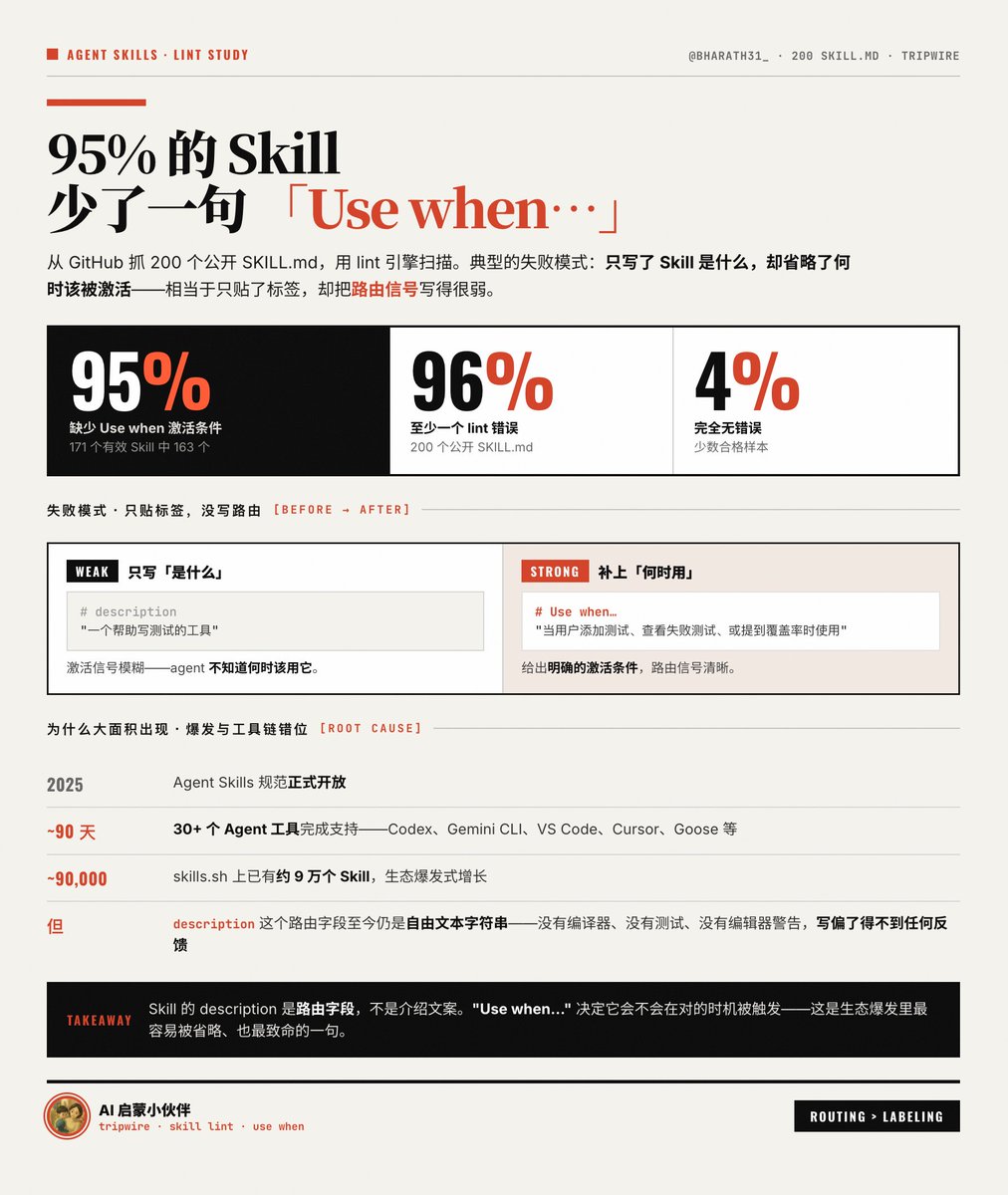
Agent Skills Missing Activation Conditions ⭐ 8.5
An analysis shows that 95% of Agent Skills lack “Use when…” activation condition descriptions, making it difficult for Agents to determine when to use a particular Skill. This is attributed to the mismatch between the explosive growth of Agent Skills and the lack of tooling, with description fields remaining free text, lacking effective routing and validation mechanisms.
The Secret to Entrepreneurship in the AI Era ⭐ 9
This article discusses the “secret” to entrepreneurship in the AI era, pointing out that products that are “hard to explain” have a better chance of survival because they are less likely to be absorbed by large models or major companies. Entrepreneurship should start directly, with clarity sought during the process.
Frequency of Assigning Tasks to Agents ⭐ 8
The author reflects on the frequency with which they assign tasks to Agents, realizing they haven’t spent time meticulously describing tasks recently. They believe their “tactical diligence” might be undervaluing the worth of “tokens.”
AI Agents Can Be Assigned Specific Models for Tasks ⭐ 8
Different models can be used within the same session through Sub-agents. The main Agent can launch a Sub-agent to perform a task and specify the model it should use. This functionality is practically valuable in AI Agent development.

Sam Altman on Optimism and Progress ⭐ 7
Sam Altman emphasizes that actively being optimistic and working hard is a more effective way to drive societal progress than spreading pessimism, even though it’s the harder path. He believes that the narrative of “it can’t be done” hinders societal development.

Vibe Coding Empowers Interactive Education ⭐ 7
Vibe Coding combines Three.js and AI 3D model generation to simplify the creation of interactive 3D educational websites. This project demonstrates how to convert images into 3D models, which are then used to build AI-driven websites, creating a more intuitive learning experience.

Beware of Becoming a “Meat Proxy” ⭐ 7
The article introduces the concept of a “meat proxy,” referring to individuals who blindly copy and paste AI outputs for others. The author urges everyone to read, understand, and verify AI content before citing it, and then articulate it in their own words, as this is where true value lies.
Opus 5 Accused of Gaming the System ⭐ 6.5
A user on social media pointed out that the Opus 5 model’s performance on certain questions is similar to GPT-3.5, suggesting it might just be “gaming the system” rather than representing a genuine performance improvement. This view has sparked discussions about model evaluation and actual performance.

Technological Evolution in Databases and Compilers ⭐ 7
The blog post quotes the classic view of MapReduce as “A major step backwards,” emphasizing the long-term value of fundamental technologies like indexing and query optimization in databases. It draws a parallel to compilers, suggesting that direct binary generation might overlook the long-term value of pattern languages and business modeling, implying a cyclical nature of technological development where things are discarded and then picked up again.
